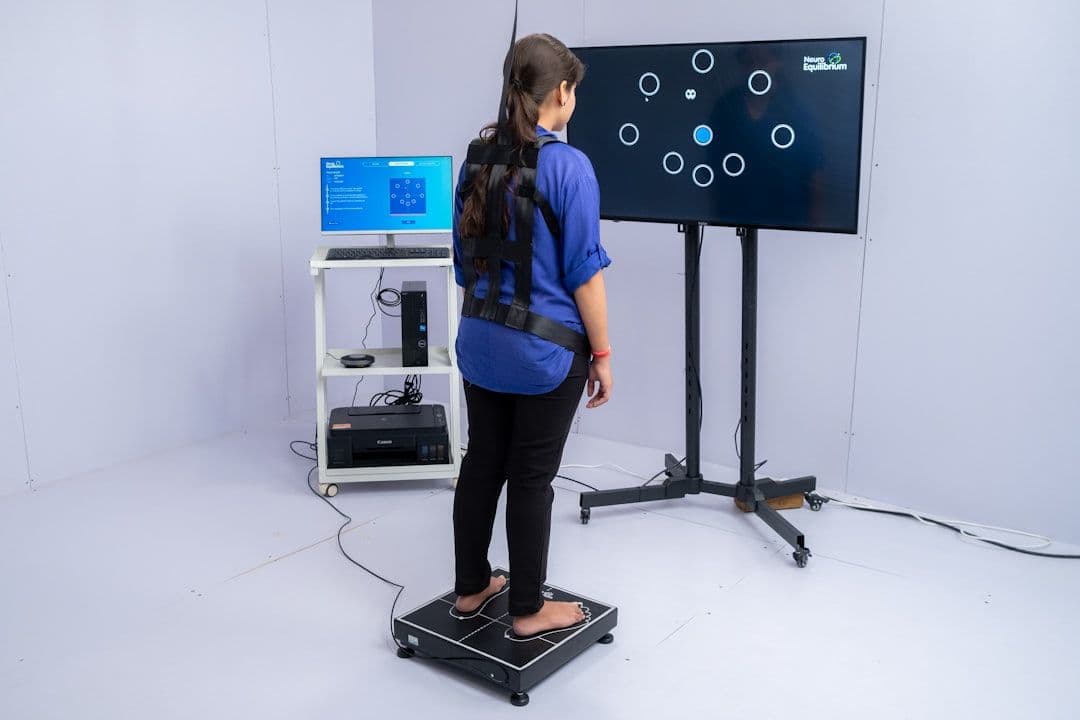
An EEG biofeedback session, often called a neurofeedback session, is usually a calm, seated experience: a practitioner places a few small sensors on your scalp and ears, and you watch or listen to a screen or sound that responds to your brain activity while you try to nudge it toward a target. You do not need technical skill, and the sensors only record. This guide walks through a typical EEG biofeedback visit, from booking to aftercare, so you know what to expect and what to ask.
Before you book
Start by deciding what you hope to explore, such as focus, stress or sleep, and write it down in plain words. Then look for a practitioner with recognized neurofeedback or biofeedback training, ideally alongside a licensed health or mental health background. You can browse options in the Gyfts directory.
Ask which protocol they use, how many sessions they usually suggest and how they will measure progress. Mention any seizure history, medications, head injuries and conditions you already know about, and tell them if you are arranging care for a child. A good practitioner will be comfortable saying that the evidence is mixed and will not promise a result. On the day, arrive with clean, dry hair and skip styling products, which can get in the way of sensor contact.
When you arrive
The first visit usually begins with a conversation, not equipment. Expect questions about your goals, your health history, your sleep, any medications and what you have already tried. Some practitioners also use questionnaires, and some begin with a recording of your resting brain activity, sometimes called a brain map, to choose a protocol.
You should be told what the sensors do and do not do, and what the session will involve, before anything is attached. It is reasonable to ask questions, to ask for the plan in writing and to say no to anything you are unsure about. The room is typically quiet and the chair comfortable, with a screen in front of you or headphones available.
During the session
Step one is placing the sensors. Depending on the system, the practitioner may gently clean small spots on your scalp, then attach a few sensors using a conductive paste or gel, or fit a cap. A reference sensor, often on an earlobe or behind the ear, completes the setup. This is not painful, though the paste can feel cool or slightly sticky. The sensors connect to a computer by a cable or wirelessly.
Step two is a short baseline recording while you sit still, sometimes with eyes open and then closed. The practitioner checks that the signal is clean, because movement, blinking and jaw tension can disturb it. You may be asked to relax your face and shoulders.
Step three is the feedback itself. The software tracks the brain rhythm being trained and responds in real time. Common displays include a video that plays clearly or brightens when your brain activity moves toward the target and dims or stalls when it does not, a simple game, or a tone. There is usually no right strategy to follow. Most people are told to stay relaxed and attentive and let the display guide them, and the learning is largely automatic.
Step four is the middle of the session, which often runs in blocks with short breaks. The practitioner watches the signal, may adjust the difficulty or the target and checks how you feel. If you get restless, tired or uncomfortable, say so.
Step five is wrap-up. The sensors come off, any paste is wiped away and the practitioner may show you a summary of the session and note anything to adjust next time. Research programs vary widely in length: sleep trials in one review used 8 to 20 sessions, and a pilot with healthy older adults used 24 sessions.
What you might notice
Experiences vary a great deal. During sessions, some people feel relaxed or sleepy, while others find the screen tedious or struggle to keep still. Some feel nothing in particular. It is common not to know whether you are doing it right, which is normal, because the training is meant to work without conscious effort.
Afterward, practitioners commonly describe tiredness, a mild headache or feeling a little irritable or spaced out, and these are generally described as short-lived. Over weeks, some people report feeling calmer or more focused, and others notice little change. Research findings are mixed, and a person who feels different is not proof that the training caused it. If you feel worse, or unusual symptoms appear, pause and talk with your practitioner and your doctor.
Afterward
Plan a quiet few minutes after your session, and consider keeping the rest of the day light if you feel tired. Drink some water and eat if you are hungry. Many people find a short note helpful, covering sleep, mood or focus across the week, so you and your practitioner can look at patterns instead of relying on memory.
Between sessions, the usual basics matter: regular sleep, movement and managing stress. Keep taking medications as prescribed and keep your regular appointments. After a set number of sessions, ask for a review of whether anything has changed and whether to continue, adjust or stop.
Length, frequency and cost
Session length and schedule vary by practitioner, so ask. Many sessions are somewhere between half an hour and an hour including setup, though this is general experience rather than a standard. Programs usually run across many visits. In published trials, an attention study used 12 sessions over 4 weeks and a primary care sleep pilot used 12 weekly sessions.
Cost varies by region, practitioner and package, and there is no standard price. Ask up front what each session costs, whether packages are offered, whether an initial assessment is charged separately and what happens if you stop early. Insurance coverage varies, so ask rather than assume.
Questions to ask and when to check with your doctor first
Useful questions include: What is the goal, and how will we measure it? What protocol will you use and why? How many sessions do you suggest, and when will we review? What training do you have? What if I notice no change?
Check with your doctor first if you have a seizure disorder, take medication for a neurological or psychiatric condition, are pregnant or are arranging care for a child. Never change a medication because of neurofeedback. Be wary of promises of specific results or advice to avoid conventional care. If you are comparing options, you can also explore related approaches.