The Journal
The Gyfts Journal
Company news, platform thinking, and perspectives on the future of holistic health discovery.
Keep exploring
The Journal
Company news, platform thinking, and perspectives on the future of holistic health discovery.
Keep exploring
10 articles · Sorted by Recently added
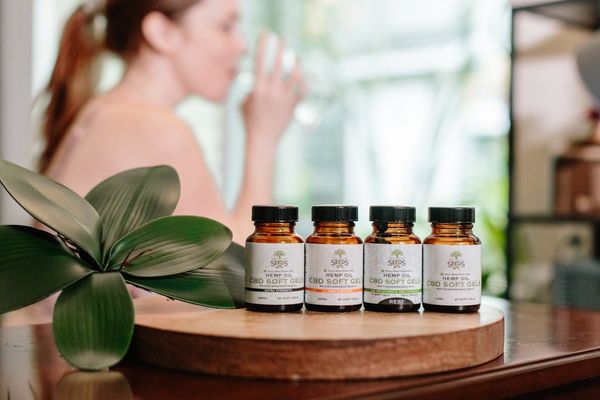
Across the 641 holistic modalities on the Gyfts reviewed map, fewer than one in three carry a strong or moderate evidence label, and the largest group rests on traditional use. The full original dataset, published.
24 September 2026
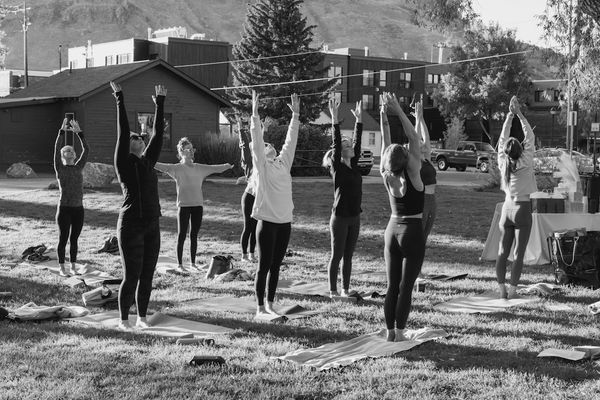
How many people use complementary health approaches, what they spend, and how much of the field carries real evidence. Verified national statistics plus original data from the Gyfts map of 641 modalities.
6 September 2026

MACH Health is moving toward a more evidence-aware future. The key question for 2027 is whether growth will be matched by safety reporting, credible claims, qualified delivery, and coordination with conventional care.
3 September 2026
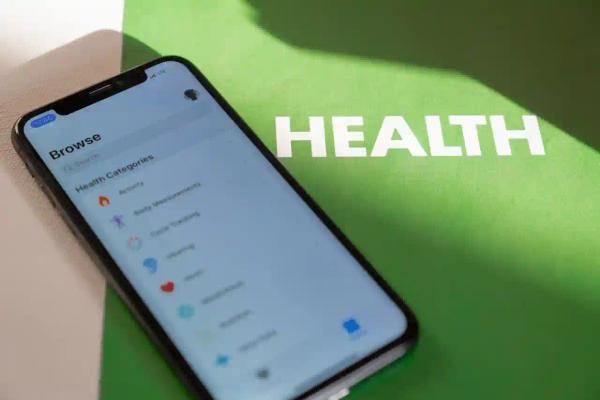
Holistic health is growing, but discovery remains fragmented. Gyfts is building an AI-first, condition-aware platform to help people explore supportive approaches, understand modalities, and connect with practitioners in a clearer, safer, more structured way.
12 June 2026

Biophilic, wellness-led design is becoming standard in residential real estate. What the evidence shows, and why healthier homes need not cost more.
19 September 2023

A comprehensive pathway for individuals seeking to enhance their health through a more holistic approach rather than through pharmaceutical or surgical solutions.
9 November 2021
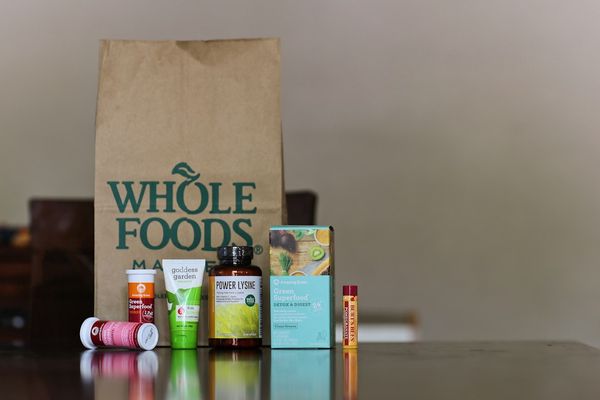
Americans spend $30.2 billion a year out of pocket on complementary health approaches, about $510 per user. The most recent official estimate is over a decade old, making it a floor rather than a current figure.

More than a third of US adults now use complementary health approaches, nearly double the share of twenty years ago. Sourced usage statistics from national surveys in the US, Australia, and worldwide.
Traditional and complementary medicine is used in 170 of the WHO’s 194 member states, and in most surveyed countries a large majority of the population uses it. Yet it receives less than 1% of global health research funding.

The global wellness economy reached a record $6.8 trillion in 2024, about 6.1% of global GDP, with traditional and complementary medicine among its fastest growing sectors. The key statistics with sources and context.