A guided imagery session usually begins with a short check-in and some slow breathing, moves into a spoken visualization in which your guide leads you through a calming or purposeful scene, and ends with a gradual return to the room and a few minutes to reflect. You do not need a strong imagination. This guide walks through what to expect, from booking to follow-up, so a first session with a guided imagery practitioner feels familiar and not mysterious.
Before you book
Start by finding a practitioner with training in guided imagery or a related professional background, such as counseling or nursing. Credentials differ by country and setting, so ask what training they have and whether it is recognized where you live. You can browse practitioners in the Gyfts directory, or explore related approaches if you are still deciding.
Think about what you want from sessions, even loosely: steadier nerves before a procedure, a calmer end to the day, or a way through a stressful season. Tell the practitioner about any medical conditions, past trauma, panic or sensitivities that might matter, and ask whether sessions are individual or group, in person or online, and whether you will receive a recording to practice with at home.
When you arrive
Expect the first few minutes to feel like a conversation, not a performance. Your guide will usually explain how a session works, ask about your health, your goals and how you feel about relaxation exercises, and talk through consent and privacy. This is a good moment to say which kinds of scenes you enjoy, such as water, woods or a cozy room, and which you would rather avoid.
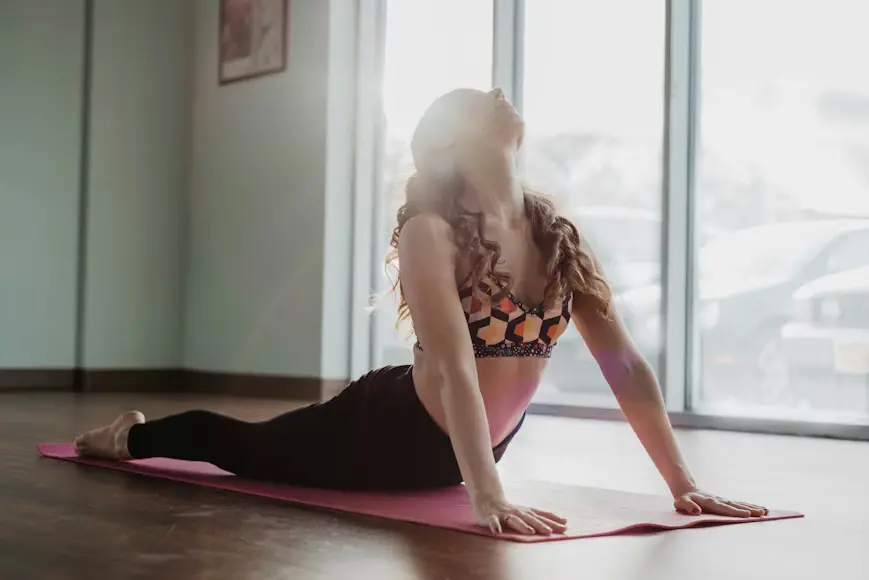
The setting is usually simple: a comfortable chair or reclining seat, soft lighting, a blanket if you like, and little noise. A good practitioner will make clear that you can keep your eyes open, change position, ask a question or stop at any point. You do not have to close your eyes to take part.
During the session
Every practitioner works a little differently, and what follows is a typical shape, not a script. Sessions often begin with a brief check-in about how you are feeling that day. Then your guide invites you to settle into the seat, notice the points where your body touches it, and take a few slow breaths. Some practitioners add progressive muscle relaxation here, asking you to tense and then release each muscle group in turn.
Next comes the imagery itself. Your guide describes a scene in a slow, even voice, perhaps a beach, a meadow or a quiet room, and invites you to build it with your senses: the color of the light, the sound of water or leaves, the warmth on your skin, a familiar smell. You are not asked to see a perfect picture. Sensing the place, hearing it or simply following the words all count, and you can reshape the scene whenever you like.
Depending on your goals, the content differs. A general relaxation script stays with the calm scene. A script for a medical setting might picture the day going smoothly and your body feeling supported. Some scripts invite you to meet an imagined helper or to look at a worry from a distance. The guide watches your breathing and expression, and slows down or changes course if you seem uneasy.
The final part is a gradual return. Your guide counts you back or describes the room coming into focus, and invites you to move your fingers and toes, take a deeper breath and open your eyes when ready. Many sessions then leave a few minutes to sit quietly or talk about what you noticed. Some practitioners record the script or suggest a favorite one for home practice.
What you might notice
People describe a range of experiences, and no particular feeling is required. Some notice that their breathing slows, their shoulders drop or their thoughts quiet. Others find the scene vivid and absorbing, or drift into a light, dreamy state, or fall asleep. Some feel a wave of emotion, a memory or a surprising sense of heaviness, which can be a normal response to slowing down.
It is also normal if little seems to happen the first time, or if your mind wanders. That does not mean you are doing it wrong. If you feel unsettled, tell your guide, who can help you ground and adjust the next session. Research is encouraging for anxiety around surgery and in cancer care, but responses vary, and these experiences are not guaranteed outcomes.
Afterward
Take a few minutes after you leave to notice how you feel. Drink some water, move gently and avoid scheduling something demanding straight afterward if you can, especially if you felt deeply relaxed or drowsy. Do not drive until you feel fully alert. Many people find it useful to jot down what came up while it is fresh.
Your guide may suggest practicing with a recording between sessions, trying a short version on a stressful day, or noticing when a scene helps. These suggestions are optional and should fit your life. Follow-up usually means a brief review of your goals every so often. If you are in medical care, let your clinicians know how you are getting on.
Length, frequency and cost
Session length varies by practitioner and setting. Guided recordings are often short, perhaps 10 to 30 minutes, while one-to-one sessions that include conversation commonly run longer. Ask what to expect when you book.
How often you meet depends on your goals. Some people have a single session before a procedure, others meet regularly for a period and practice at home in between. A 2025 review of guided imagery in cancer care noted that there is no standard approach to session length or frequency, so your practitioner should explain their plan. Cost varies by region, practitioner and setting, so ask about fees, cancellation terms and whether any coverage applies up front.
Questions to ask and when to check with your doctor first
Useful questions include: What is your training? Have you worked with goals like mine? What will a session involve? Will I get a recording? What does it cost? How do I pause or stop if a scene becomes uncomfortable?
Do you need a good imagination? No. Sessions are built around your senses and comfort, not performance. Check with your doctor or therapist first if you are managing a serious or worsening condition, have a trauma history or panic that imagery might stir, or are recovering from surgery. It complements medical care and does not replace it.