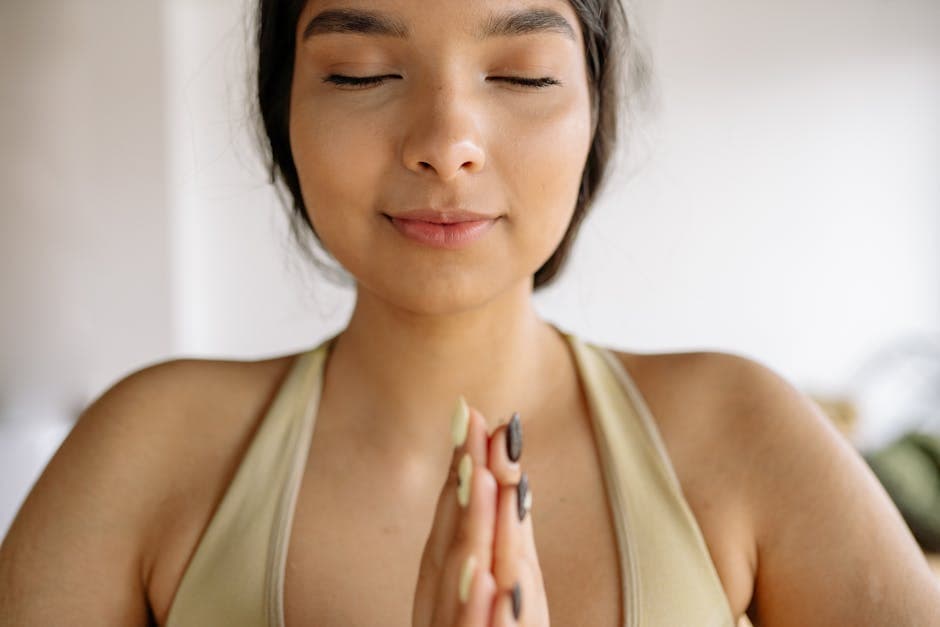
A holotropic breathwork session usually begins with screening and a briefing, then participants pair up. One person lies down and breathes faster and more deeply than usual to loud, evocative music for a long stretch, while their partner sits beside them and facilitators watch over the room. The session ends with drawing and group sharing. This guide walks through what to expect from holotropic breathwork, from booking to aftercare.
Before you book
Holotropic breathwork is usually offered as a day or weekend workshop rather than a drop-in class. Look for a practitioner, often called a facilitator, who completed formal holotropic training and works with co-facilitators so the room is never left unsupervised. You can browse practitioners in the Gyfts directory, or explore related approaches.
Expect, and welcome, a detailed health questionnaire. Tell the facilitator about heart or blood pressure conditions, seizures or epilepsy, glaucoma, recent surgery or injury, pregnancy, any history of psychosis or other mental health conditions, and the medicines you take. A careful facilitator may ask you to get clearance from your doctor, or may advise you not to take part.
When you arrive
Workshops usually open with a talk about the method, what people commonly experience and the ground rules for the room. Facilitators explain how the breather and sitter roles work, how to call for help, and that you can slow your breathing or stop at any time. This is the moment to raise any worries and to mention anything that has changed since you filled in your forms.
Expect a large room with mats, blankets and pillows laid out in pairs, and sometimes eye covers. Wear loose, comfortable clothing, bring water, and eat lightly beforehand. You will choose or be matched with a partner, and the two of you agree who breathes first.
During the session
Every facilitator works a little differently, so read what follows as a typical shape, not a script. Before the breathing starts, the facilitator usually reminds the room how to signal for help. The breather lies on the mat, usually with eyes closed, and a facilitator leads a short relaxation to help everyone settle. Then the music starts, and breathers are invited to breathe faster and more deeply than normal, without pausing between breaths, and to keep going.
The music is loud and changes over the session, often beginning with strong, rhythmic pieces, moving toward intense or emotional music, and ending with quieter, gentler tracks. Breathers are encouraged to let whatever happens unfold, whether that is stillness, movement, sound or tears, and to stay with the breath.
The sitter's job is to pay attention without interfering. They stay close, offer water or a tissue, help the breather to the bathroom, and call a facilitator if needed. They do not try to guide or interpret the experience. Facilitators move around the room, watch each breather, and may offer focused bodywork, such as pressure against a tense area, but only if the breather asks for it.
Breathing time is long, often a few hours, and the pace is yours to adjust. You can slow down, open your eyes, sit up or stop. When the music settles, breathers return to normal breathing and rest until they feel ready. Later, often in a separate session, the partners swap roles.
What you might notice
Experiences vary widely, and no particular experience is required or expected. Fast breathing lowers carbon dioxide in the blood, so tingling in the hands, feet or face, lightheadedness, and tightness or cramping in the hands are common. These sensations usually ease when breathing returns to normal. Some people feel waves of heat or cold, shaking, or an urge to move or make sound.
Emotionally, people describe everything from calm to intense sadness, fear, joy or a strong sense of meaning, sometimes with vivid images or memories. Some feel very little. Research on holotropic breathwork is early and small, so none of these experiences is a guaranteed outcome. Tell a facilitator right away if you feel chest pain, severe distress or that something is wrong.
Afterward
Once breathers have rested, they are usually invited to draw, often a circular mandala, as a way to capture the experience without words. A group sharing circle follows, where people can talk about what came up or simply listen. Nobody is pushed to share.
Give yourself time afterward. Arrange a calm evening, eat, drink water and avoid alcohol and important decisions until you feel settled. Feelings or memories can surface for days. If something stays with you or feels hard to manage, talk to the facilitator, and to a therapist or doctor if you have one.
Length, frequency and cost
A single workshop usually takes most of a day, and many are run over a weekend so each person can be both breather and sitter. The breathing itself often lasts a few hours, with more time for the opening briefing, the drawing and the sharing circle. Exact timing depends on the facilitator.
There is no standard schedule for how often to attend. Many people try a single workshop, and some return occasionally. Facilitators generally advise leaving time to make sense of one experience before the next. Cost varies by region, format and length, so ask about fees, what is included and the cancellation policy up front.
Questions to ask and when to check with your doctor first
Useful questions include: Where did you train? How do you screen participants? How many facilitators will be in the room? What happens if someone becomes very distressed or unwell? How do you support people after the workshop?
Talk to your doctor first, and expect you may be advised not to take part, if you have heart disease, high blood pressure, seizures or epilepsy, glaucoma, recent surgery or injury, are pregnant, or have a history of psychosis or another serious mental health condition. Breathwork does not replace medical care.