Music therapy is the clinical use of music, within a relationship with a trained music therapist, to support emotional, physical and social wellbeing. It is for anyone curious about a structured, music-based way to work with stress, mood, rehabilitation or coping with illness, and no musical skill is needed. This guide explains what music therapy involves, where it comes from, what research has found and how to find a qualified practitioner.
What music therapy is and how it works
Music therapy is the planned use of music experiences to work toward goals that you and a therapist set together. Those goals might be easing stress, expressing feelings that are hard to put into words, practicing movement or speech after a stroke, or finding connection when conversation is difficult. The music is the medium, and the relationship with the therapist is part of the method.
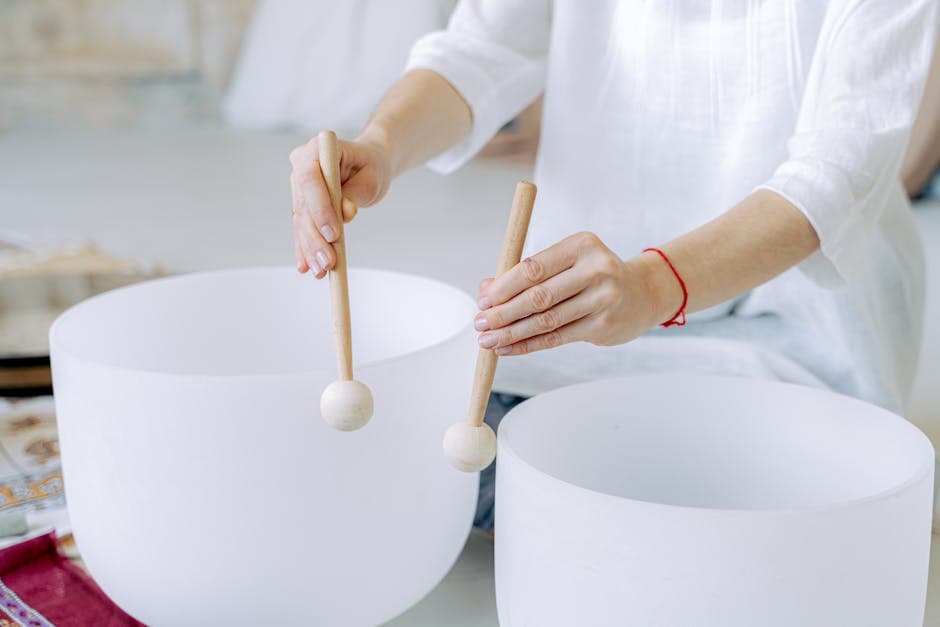
Sessions usually draw on two broad approaches. In active work, you make music: singing, playing simple percussion or other instruments, improvising, or writing songs. In receptive work, you listen, often to music chosen for the session, and then relax, reflect or talk about what comes up. Your therapist assesses your needs, adapts the activities and watches how you respond.
Researchers separate music therapy from what they call music medicine, which mostly means listening to music offered by a healthcare professional. Music therapy is personally tailored and led by a trained and qualified music therapist. Proposed explanations for its effects include rhythm supporting movement timing, familiar music stirring memory and emotion, and slow, calm music helping the body settle. These are ideas researchers are still testing, not settled mechanisms.
Where music therapy comes from
People have used music for ritual, comfort and healing across many cultures for as long as records exist. Much of that is tradition and lore rather than documented clinical practice, and it is better understood as the cultural background of the field than as its evidence.
The modern profession is usually traced to the twentieth century, when musicians began playing for hospitalized veterans after the Second World War and clinicians noticed how people responded. University training programs followed, and music therapy developed into a recognized profession with its own education standards. In many countries today, music therapists complete a degree or equivalent training, and in the United States the board certification is called MT-BC.
What people use music therapy for
People explore music therapy for many reasons. Common ones include managing everyday stress and anxiety, supporting low mood, and finding a calmer way through medical settings such as procedures, hospital stays, labor and cancer care. Others come for rehabilitation, where rhythm and melody are used to practice walking, arm movement, speech or coordination after a stroke or other neurological injury.
Some people come because words are not enough. Children, people with communication difficulties and people working through grief or difficult experiences sometimes find sound and rhythm an easier way in than conversation. Music therapists also work in schools, care settings and community programs, so what is offered depends on where you live.
These are reasons people explore the practice, not promises of any outcome. You can browse the conditions people explore and symptoms hubs to see how music therapy sits alongside other approaches for the same concerns.
What the research says
Music therapy has a sizable research base, and the findings lean positive, but the certainty of the evidence varies a lot depending on what is being studied. A 2020 multilevel meta-analysis in Health Psychology Review pooled 47 studies with 2,747 participants and found a medium-to-large effect on stress-related outcomes. Effects were larger in non-randomized trials and waiting-list comparisons, so weaker designs may flatter the average.
A 2023 meta-analysis of 19 randomized trials with 1,803 people found lower pain and anxiety scores the day after surgery in groups given music, but no difference in satisfaction or nausea. A 2020 review of music therapy in labor reported lower pain and anxiety scores and rated its own evidence as low. A 2026 meta-analysis of 21 trials in stroke rehabilitation described music-based interventions as an add-on to conventional rehabilitation, with improvements in arm function, gait speed, balance and daily activities, and called for larger trials.
Overall, music therapy is better supported for stress and anxiety than for many other uses. Many trials are small, participants cannot easily be blinded, and listening interventions are sometimes pooled with therapist-led therapy, so the results are encouraging rather than conclusive.
Safety and who should check first
Music therapy is generally considered low risk when a trained therapist leads it. A 2024 meta-analysis of 14 randomized trials in intensive care units noted that no adverse events were reported in the included studies. The same review found that sessions longer than 45 minutes did not show a benefit, which is one reason session length is usually adapted to the person.
Music is powerful, and that cuts both ways. Songs can bring up strong emotions or memories, and loud sound can be uncomfortable for people with hearing difficulties or sound sensitivity. Tell your therapist about any hearing concerns, trauma history or sounds that distress you, so the session can be paced and adapted.
Check with your doctor first if you are managing a serious or worsening condition, are pregnant or are recovering from surgery.
Fitting it alongside everyday and conventional care
Music therapy is best understood as complementary. In the studies described above, music was typically offered alongside usual care, such as standard stroke rehabilitation or hospital care, and not instead of it. That is how most seekers use it too: as extra support for stress, mood or recovery while their regular care continues.
If you are already seeing a doctor or therapist, tell them you are trying music therapy. Many music therapists work as part of care teams in hospitals and rehabilitation centers and are used to coordinating. Music you enjoy on your own, such as a calming playlist, can complement therapy between sessions, though it is not the same thing as therapist-led work.
Finding a music therapy practitioner
Look for a practitioner with recognized training and credentials in your region, such as board certification in the United States, and ask about their experience with goals like yours. You can browse music therapy practitioners in the Gyfts directory, read the music therapy modality page, or explore related approaches. Cost varies by region and practitioner, so ask about fees and session length up front.