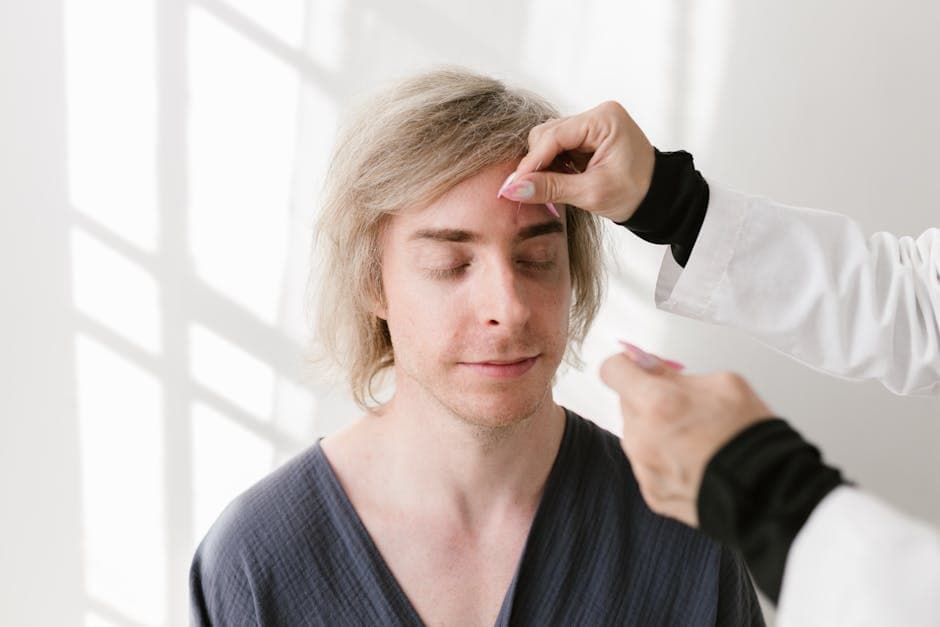
An art therapy session usually begins with a short check-in about how you are. You then spend time making art, using materials such as paint, pencils, collage or clay, either freely or with a gentle prompt, while the therapist stays nearby. Afterward you look at what you made together and talk about what it brings up, and the session closes with a brief check-out. No skill is needed. This guide walks through what to expect from art therapy.
Before you book
Art therapy is offered in hospitals, mental health services, schools, hospices and private practice, individually or in groups. Look for a credentialed art therapist rather than an art teacher or activity leader: ask what qualification they hold, which body registers or licenses them, and how much experience they have with your concerns. You can browse the Gyfts practitioner directory or explore related approaches.
Think about what you want help with, such as low mood, anxiety, grief or a hard life change, and whether you would prefer one-to-one or group sessions. If you see a doctor, psychiatrist or other therapist, tell them you are considering art therapy. If you want to know more about the approach and the evidence first, read what art therapy is and what research shows.
When you arrive
Many therapists start with an assessment appointment that is mostly conversation. They ask about your background, your health, any current treatment and what you hope for, and explain how they work, how long sessions last and how confidentiality applies to what you say and make. This is a good time to ask what happens to your artwork; policies vary, so ask whether it is stored and when you can take it home.
Expect a room set up for making, often with a table, a sink and shelves of materials. In a group, you will meet the other members and agree on simple ground rules, such as not commenting on each other's work without being invited. You can say if certain topics, materials or kinds of touch, such as wet clay, feel uncomfortable.
During the session
Each therapist works a little differently, so think of this as a typical shape rather than a script. Most sessions begin with a few minutes of talking about how your week has been and how you feel right now. Together you may agree on a focus, such as a particular feeling or situation, or decide simply to see what comes up.
Next you meet the materials. These might include paints, colored pencils, pastels, markers, collage images, fabric or clay. You choose what feels right; there is no correct way to use them. Some people draw recognizable scenes, others make marks, colors or shapes. The therapist may offer a prompt, such as drawing your mood as weather or making a collage of what feeling safe looks like, or leave you to work freely.
While you make, the therapist usually sits nearby, paying attention without directing you. They may stay quiet, make an occasional observation or ask a gentle question. Many people feel self-conscious at first about their drawing, and this often fades once they get absorbed. You can pause, change materials or stop and talk instead at any point.
When you put your tools down, you and the therapist look at what you made together. The therapist does not tell you what your image means. Instead they ask open questions about the colors, shapes or images you chose and what they bring to mind, and you explore together how themes in the artwork might connect to your feelings, relationships or everyday life. Near the end, the therapist makes sure you feel settled before you leave.
What you might notice
People describe a wide range of experiences. Some feel absorbed and calm while making, some feel playful, and some are surprised by what appears on the page. It is common to feel awkward at first, especially if you have not made art since school. Feelings that are hard to name can sometimes become clearer when they take a shape or color.
Art therapy can also bring up sadness, anger or painful memories, and some people cry. That is not a sign anything has gone wrong, and a trained therapist will help you slow down or step back if it feels like too much. Tell them if you feel overwhelmed. Research suggests art therapy may ease depressive symptoms for some people, but results vary and many studies are small.
Afterward
You may feel tired, lighter or stirred up after a session. Give yourself a little quiet time if you can, rather than rushing straight into something demanding. Some therapists suggest simple creative activities or reflections to try at home between sessions, though this is optional.
Notice how you feel over the following days and bring anything that stands out to your next session. Progress in therapy is rarely a straight line. If you feel much worse after sessions, or are unsure whether art therapy is right for you, raise it with your therapist or your doctor; it is fine to change approach.
Length, frequency and cost
Session length and frequency vary by setting and therapist. Individual sessions are often weekly, and group sessions may run longer; in one large UK trial, groups of up to eight people met for 90 minutes over a year. Some people attend for a few months, others for longer. Ask about expected length and number of sessions when you book.
Cost varies by region, setting and therapist. Art therapy may be available through public health services, hospitals, schools or charities in some places, often with waiting lists, while private sessions are paid directly. Ask about fees, sliding scales and whether your insurance or health service covers it up front.
Questions to ask and when to check with your doctor first
Useful questions include: What is your qualification, and who registers or licenses you? Have you worked with people with concerns like mine? How do you handle confidentiality, and what happens to my artwork? What if I feel overwhelmed during a session? Do you offer online sessions, and what materials would I need?
Check with your doctor or mental health team first if you have severe depression, recent trauma, psychosis or thoughts of self-harm. Art therapy complements medical and psychological care and does not replace it.