What it is
A whole-horse approach linking daily management with comfort, covering feed, hooves, teeth, and tack.
A whole-horse approach to feed, hooves, teeth, tack, workload, and bodywork that works beside your veterinarian and farrier
At a glance
What it is
A whole-horse approach linking daily management with comfort, covering feed, hooves, teeth, and tack.
Why explore it
Some owners use it to support comfort, movement, and recovery in sport and leisure horses.
How it’s experienced
A conversation, a look at movement and tack, gentle bodywork, and practical advice.
Evidence context
Evidence is limited. Reviews of single therapies find few studies and a high risk of bias.
See the evidence snapshotSafety
Moderate risk if it delays care. Have a veterinarian assess lameness, colic signs, or sudden changes first.
See staying safeHistory & Origin
Equine holistic health is an approach to horse care that connects daily management with comfort and performance. Instead of looking at one sore area, a practitioner reviews forage and feed, body condition, hoof balance, dental care, saddle and bridle fit, workload, turnout, herd contact, and the horse's behavior under saddle and on the ground. They may then suggest changes and offer bodywork such as massage or stretching, nutritional or herbal advice, and training or handling adjustments.
It is used most often for sport and leisure horses that are stiff, slow to recover after work, difficult to ride, or showing digestive or behavior concerns. Riders and owners who use it describe it as a way to support comfort, movement, and relaxation, and the practical parts of the approach, such as forage-based feeding, regular turnout, good tack fit, and routine dental and farrier care, are established parts of horse welfare.
Many problems that show up as stiffness or bad behavior have physical causes that need a veterinarian, so a holistic visit usually works as part of a team that also includes a farrier, an equine dental professional, a saddle fitter, and a trainer. Hands-on therapies and herbal products have a thinner evidence base. Systematic reviews of therapies used in horses, dogs, and cats found few studies and a high risk of bias, so benefits are possible and not confirmed. In competition, herbal products can also raise rule and safety issues of their own.
Horses have long been central to farming, transport, and war, and care texts from many regions describe feeding, hoof care, herbs, and hands-on treatment for working horses. These traditions understood health through balance and practical experience, long before controlled studies existed, and their explanations are attributed to the traditions and not confirmed science.
Modern equine bodywork grew alongside sport and leisure riding. Sports massage pioneer Jack Meagher began working on horses in the early 1980s after a US eventing coach invited him in, and he later worked with two US equestrian teams before his death in 2005. In 2001 the American Veterinary Medical Association approved guidelines for complementary and alternative veterinary medicine, revised in 2006 and 2007, which place these therapies inside veterinary practice. The law on hands-on work varies. A 2014 report found about 20 US states limited animal massage to licensed veterinarians and about 20 more required some veterinary input, and competition bodies such as the FEI prohibit some herbal ingredients, including valerian, so the rules for competing horses are separate again. Today the field mixes veterinarians, farriers, bodywork practitioners, and nutrition advisers, with no single curriculum, and training and rules differ by region and by competition body.
Mechanism
Holistic horse care works largely through ordinary, measurable management and partly through traditional ideas that research has not confirmed.
Your first visit
A typical session outline to help you feel prepared
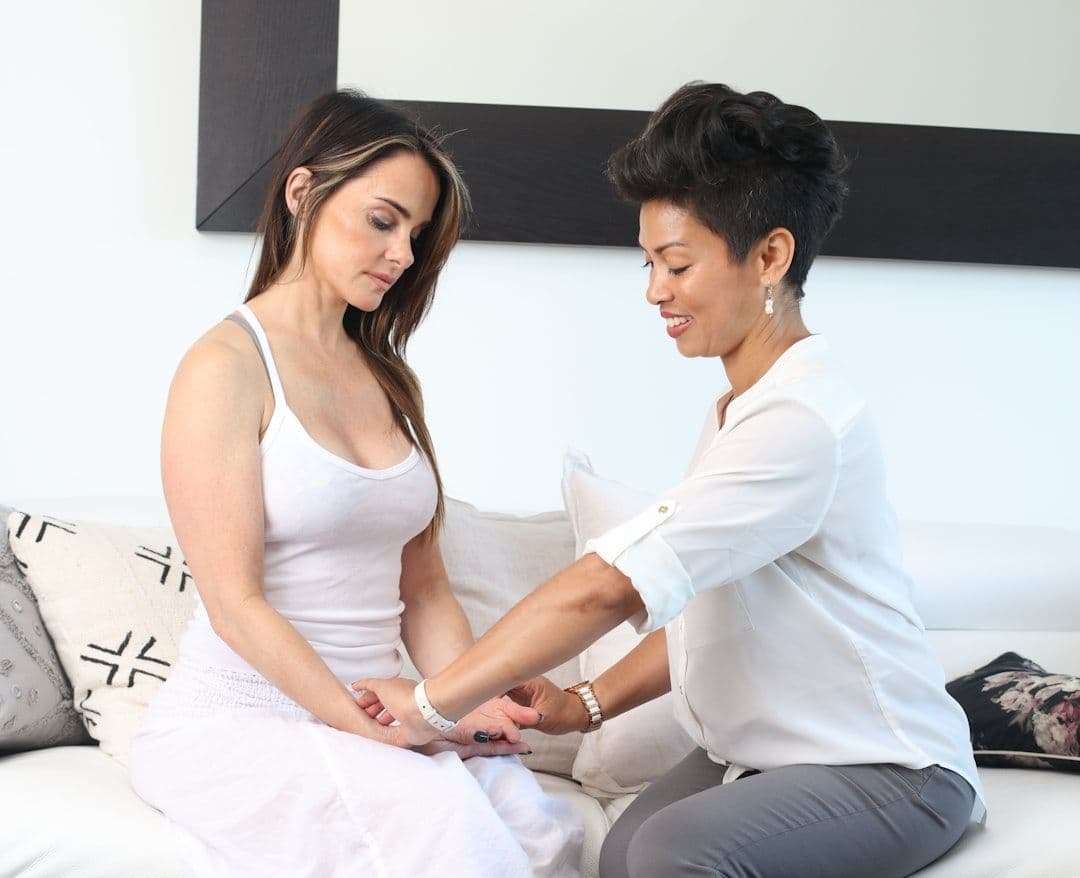
Practitioners work differently, but a first visit often follows a shape like this. You can ask about any step before you book.
The practitioner asks about diagnosis, medicines, feed, workload, turnout, and what you hope will be easier for your horse.
They confirm a veterinarian has diagnosed any concern and ask whether they can share notes with your veterinarian and farrier.
They watch your horse stand, walk, and move, and look at tack fit and body condition.
A gentle check of the muscles and joints, stopping if your horse shows discomfort or worry.
Together you review forage, hooves, teeth, tack, and workload for practical changes.
You agree a simple plan, what to watch for, when to call your veterinarian, and any fees or follow-up.
The evidence
An honest read on how Equine Holistic Health has been studied — an evidence tier and the research behind it, not a guarantee and not a ranking of “better.”
Valued by experience, with limited formal research
No study tests holistic equine care as a whole.
Owner and rider reports are not controlled evidence, so results are uncertain.
Research on these add-on therapies is limited, so check with a veterinarian first.
Safety first
General guidance to help you decide whether this approach is appropriate for you. This is informational only and not a substitute for medical, psychological, or professional advice.
Some situations call for extra care or a different approach. Share any conditions, injuries, or sensitivities with your practitioner before your first session.
If your animal is unwell, injured, recovering from surgery, or on medication, check with a qualified veterinarian before booking a session.
Look for clear boundaries, transparent pricing, and practitioners who avoid fear-based claims or pressure to book frequent sessions.
Watch your animal for tenderness, tiredness, or changes in behaviour afterwards, and contact the practitioner or your vet if anything seems off.
For you?
A simple, human way to weigh it up. This is general guidance, not personal medical advice — a qualified practitioner can advise on your situation.
Gyfts is a discovery platform, not a medical provider. Nothing here diagnoses, treats or replaces professional care. In an emergency, contact your local emergency number.
Explore approaches
Other practices people often explore alongside equine holistic health.
In their words
Before you book
FAQ
It is an approach to horse care that connects daily management with comfort and performance, looking at feed, hooves, teeth, tack, workload, and turnout, and sometimes adding bodywork or nutritional advice. It is used mostly for sport and leisure horses and works beside veterinary and farrier care.
It is limited. Sound basics such as forage-based feeding, dental care, hoof balance, and tack fit are established parts of horse welfare. Reviews of therapies such as shockwave, ultrasound, and electrotherapy in horses and other animals found few studies and a high risk of bias, so benefits are possible and not confirmed.
Yes. A veterinarian should diagnose any lameness, pain, or health concern before bodywork or other therapies begin, and in many places the law reserves diagnosis and treatment of disease to veterinarians. A holistic practitioner can add comfort and routine and ideally shares notes with your veterinarian and farrier.
Yes. Some herbal ingredients, such as valerian, are prohibited in competitions run under FEI rules, and other bodies have their own lists. Natural does not mean permitted. Check the current rules of your competition body and read product labels before using any supplement on a horse that competes.
It varies by region. A 2014 report found that about 20 US states limited animal massage to licensed veterinarians and about 20 more required some veterinary input, while other places have no restriction. Ask any practitioner about licensing, training, and how they work with your veterinarian.
References
Educational sources that inform this overview. Inclusion is for context and does not imply endorsement.
Full citations are maintained by the Gyfts editorial team and reviewed periodically.
Keep exploring
Browse practitioners, explore honest overviews, and take what you learn to a conversation — at your own pace.