What it is
West African Yoruba healing and divination, including Ifá, herbal knowledge, and ancestral practice.
West African healing and divination traditions of the Yoruba people, carried across the diaspora.
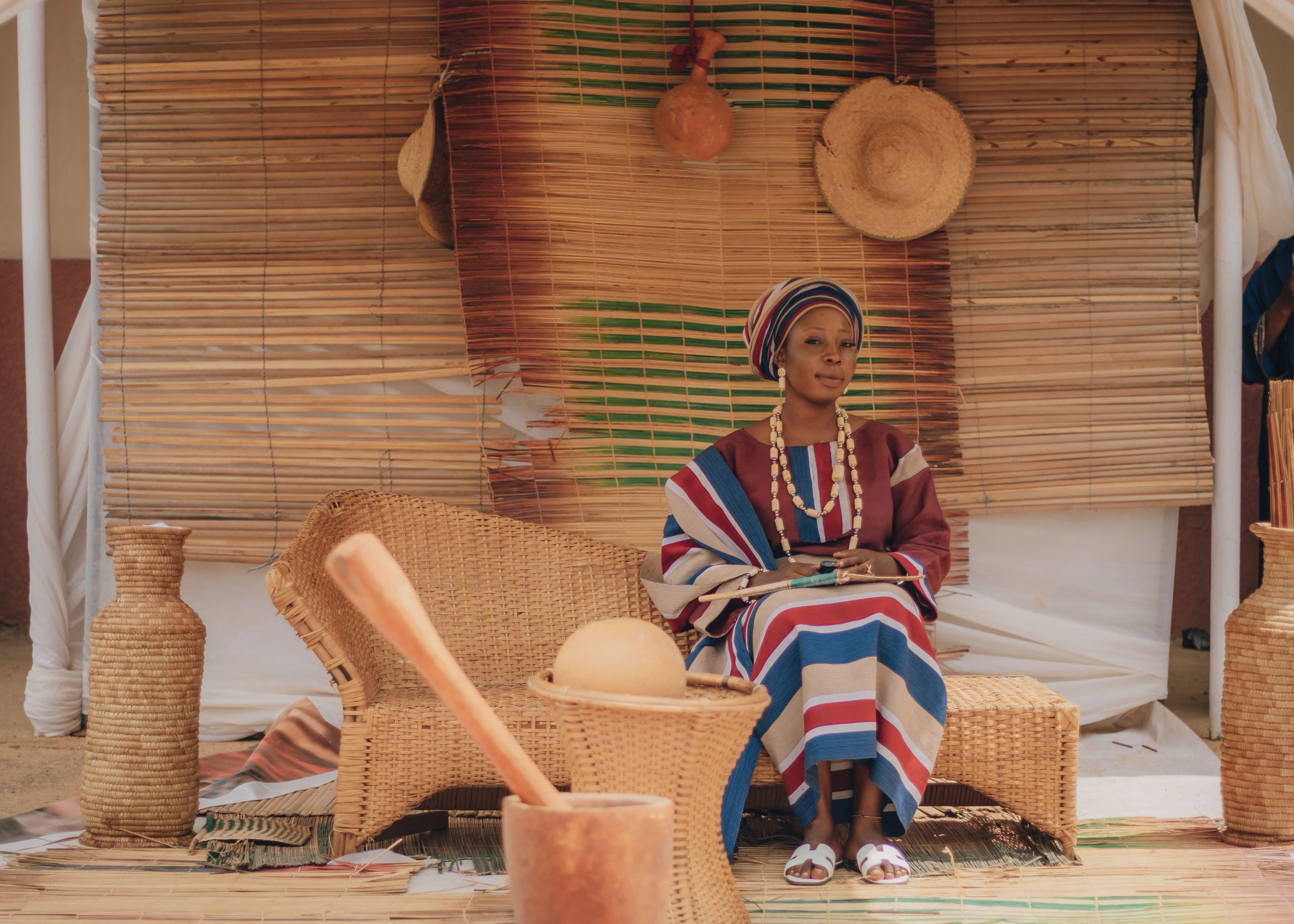
At a glance
What it is
West African Yoruba healing and divination, including Ifá, herbal knowledge, and ancestral practice.
Why explore it
People explore it for spiritual guidance, cultural connection, and traditional herbal and ancestral care.
How it’s experienced
An unhurried consultation with a trained practitioner, often with divination, conversation, and ritual.
Evidence context
Traditional use. There are no clinical trials, and its meaning is cultural and spiritual.
See the evidence snapshotSafety
Herbal preparations vary in strength. Use a trained practitioner and tell your doctor what you take.
See staying safeHistory & Origin
The Yoruba tradition is a body of healing, divination, and spiritual practice from the Yoruba people of West Africa, centered in present-day Nigeria, Benin, and Togo. It has also been carried to the Americas and elsewhere through the diaspora, and it remains a living tradition with active communities.
A consultation is usually unhurried and conversational. You might meet a babalawo, who works with Ifá divination, or an oníṣègùn, who works with herbal knowledge. They typically begin by listening to your concerns and circumstances, and may then offer divination, prayers, herbal preparations, or ritual guidance, depending on the practitioner and lineage.
Seekers come to the tradition for guidance during life transitions, for a sense of connection with ancestors and community, and for support with stress or relationship difficulties. According to the tradition, herbal preparations are also used for general wellness, such as digestive and immune support.
This is a cultural and spiritual tradition rather than a clinical modality, so it makes no medical evidence claims and has not been tested the way biomedical care is. Its meanings and methods are best understood on their own terms, attributed to Yoruba cosmology and to the lineages that carry them. Individual plants have been studied separately, which is distinct from the tradition as a whole.
Herbal preparations are not standardized, and some plants have real biochemical activity that can interact with medicines. Tell your doctor about anything you take, and keep seeing them for medical concerns. Look for a practitioner trained and recognized within the tradition, and approach it with respect for its culture.
The Yoruba tradition is a body of healing, divination, and spiritual practice that comes from the Yoruba people of southwestern Nigeria, with communities also in Benin and Togo. In the tradition's own account, the city of Ile-Ife is regarded as the spiritual cradle of Yoruba civilization. Its divination system, Ifá, is preserved in the Odù Ifá, an oral literary corpus that diviners learn through years of apprenticeship. In this account Ọ̀rúnmìlà is associated with wisdom, foresight, and divination, and Ọ̀sanyìn with the knowledge of plants (ewe).
Herbalists (oníṣègùn) and diviner-priests (babalawo, or iyanifa for women) have traditionally trained under established teachers, and knowledge passes through lineage and initiation. Through the transatlantic slave trade, Yoruba religious knowledge was carried to the Americas, where it informed traditions such as Santería in Cuba and Candomblé in Brazil, each of which developed its own forms and practices.
UNESCO proclaimed the Ifá divination system a Masterpiece of the Oral and Intangible Heritage of Humanity in 2005 and listed it on its Representative List of the Intangible Cultural Heritage of Humanity in 2008. UNESCO has also noted that many Ifá priests are elderly and that passing the tradition to younger people is a concern. These knowledge systems are held by Yoruba communities and their initiated practitioners.
Mechanism
The Yoruba framework sees health as balance of body, breath, and destiny, and uses divination and herbal knowledge. Research on it is cultural and historical, not clinical.
Your first visit
A typical session outline to help you feel prepared
Practitioners and lineages differ, but a first consultation often follows the shape below. You can ask about any step before you book.
The practitioner, such as a babalawo or an oníṣègùn, welcomes you and listens to your concerns and circumstances.
You share your history, any medical conditions, and medications, and the practitioner may ask about family and community.
You agree what you are comfortable with, and you are free to decline any offering, ritual, or preparation.
If you choose divination, the practitioner may cast the opele chain or palm nuts on an opón Ifá board and share verses from Odù Ifá.
You may be offered prayers, ritual guidance, or herbal preparations, and you can ask what each one is and what it contains.
The visit ends with agreed next steps and a reminder to keep seeing your doctor, and to ask your doctor before using any herbal preparation.
The evidence
An honest read on how Yoruba Tradition has been studied — an evidence tier and the research behind it, not a guarantee and not a ranking of “better.”
Rooted in traditional use, with growing research interest
Research on Yoruba healing is mostly ethnographic and historical, not clinical.
Support rests on tradition, community, and cultural practice.
These uses come from tradition and have not been tested in trials, so use it alongside medical care.
Safety first
General guidance to help you decide whether this approach is appropriate for you. This is informational only and not a substitute for medical, psychological, or professional advice.
If you are experiencing severe distress, suicidal thoughts, psychosis, acute trauma, or another serious mental health concern, seek qualified support first.
This approach is not suitable for diagnosis, treatment instructions, or decisions that require medical, legal, financial, or professional advice.
Look for clear boundaries, transparent pricing, and practitioners who avoid fear-based claims or pressure to book frequent sessions.
Treat any insight as one reflective perspective, not absolute truth. Important decisions should be considered with appropriate professional support.
For you?
A simple, human way to weigh it up. This is general guidance, not personal medical advice — a qualified practitioner can advise on your situation.
Gyfts is a discovery platform, not a medical provider. Nothing here diagnoses, treats or replaces professional care. In an emergency, contact your local emergency number.
Explore approaches
Other practices people often explore alongside yoruba tradition.
In their words
Before you book
FAQ
The Yoruba tradition is a body of health, divination, and spiritual practice from the Yoruba people of West Africa, centered in present-day Nigeria, Benin, and Togo. It has also been carried to the Americas and elsewhere through the diaspora, and it remains a living tradition with active communities. It is best understood as cultural and spiritual guidance, not a substitute for medical care.
A consultation is usually unhurried and conversational. You might meet a babalawo, who works with Ifá divination, or an oníṣègùn, who works with herbal knowledge. Sessions typically begin with a conversation about your physical symptoms, emotional state, life circumstances, and relevant history. Expect an extended engagement rather than a quick appointment.
Research is mostly ethnographic and historical, not clinical. Scholars have classified Yoruba practitioners, documented how the tradition persists alongside biomedicine, and traced its religious history. No clinical trials have tested Yoruba medicine or Ifá divination for health outcomes, so it is best seen as cultural and spiritual guidance and a complement to, not a replacement for, medical care.
They can. Some plants used in Yoruba herbal medicine have real biochemical activity, which means they may interact with prescription medications, including blood thinners, insulin, and blood pressure medication. Preparations are also not standardized, so potency and composition can vary with geography, season, and preparation method. If you take prescription medication, talk with your doctor before using any herbal preparation.
Because herbal preparations vary in potency and composition, sourcing from an experienced, reputable practitioner matters. Ask about their training, how they prepare their remedies, and how they approach working alongside your doctor. A good practitioner will welcome your questions. Tell them about any medications you take so they can take that into account.
References
Educational sources that inform this overview. Inclusion is for context and does not imply endorsement.
Full citations are maintained by the Gyfts editorial team and reviewed periodically.
Keep exploring
Browse practitioners, explore honest overviews, and take what you learn to a conversation — at your own pace.