What it is
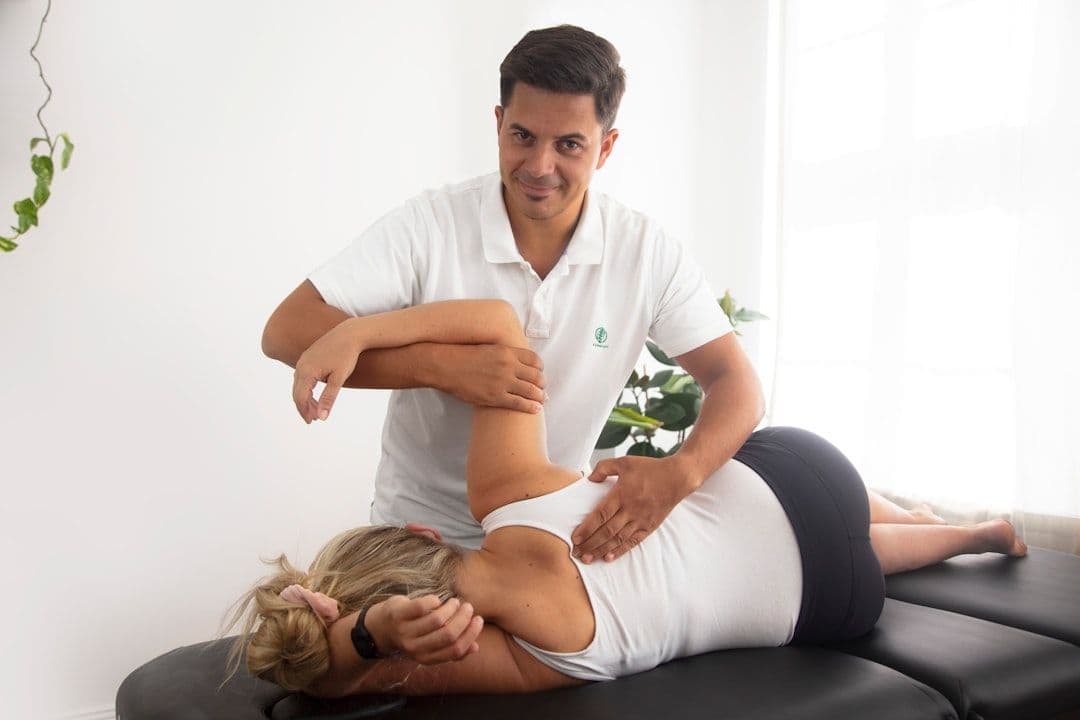
Chiropractic care involves the diagnosis and treatment of musculoskeletal conditions through spinal adjustments, manipulations, and other manual techniques.
A manual practice focused on the musculoskeletal system through spinal adjustments.

At a glance
What it is
Chiropractic care involves the diagnosis and treatment of musculoskeletal conditions through spinal adjustments, manipulations, and other manual techniques.
Why people explore it
How it’s experienced
**Initial Consultation** Your first visit begins with a comprehensive health history and discussion of your symptoms, lifestyle, and health goals. The chiropractor will ask about the onset, location, and nature of your pain, previous injuries, work activities, exercise habits, and any previous treatments you've tried. This conversation helps establish the context for your condition and guides the examination process.
Evidence context
Emerging evidenceSee the evidence snapshotSafety
Typical risk: Low
See staying safeHistory & Origin
Chiropractors specialize in diagnosing and treating musculoskeletal system issues, particularly spinal misalignments.
Chiropractic was founded in 1895 by Daniel David Palmer in Davenport, Iowa, who performed the first chiropractic adjustment on a janitor named Harvey Lillard, reportedly restoring his hearing. Palmer believed that misaligned vertebrae, which he called "subluxations," interfered with the body's innate healing ability by disrupting nerve function. His son, Bartlett Joshua Palmer, helped establish and promote chiropractic as a distinct healthcare profession in the early 20th century.
The profession faced significant opposition from the medical establishment for decades, leading to legal battles and efforts to suppress chiropractic practice. However, chiropractic gradually gained legitimacy through research, education reform, and legal victories. The 1987 Wilk v. American Medical Association case was particularly significant, ruling that the AMA had unlawfully conspired to eliminate the chiropractic profession.
Today, chiropractic is widely accepted as a legitimate healthcare profession, with practitioners licensed in all 50 US states and many countries worldwide. Modern chiropractic education requires extensive training in anatomy, physiology, diagnosis, and treatment techniques. The profession has evolved to embrace evidence-based practice while maintaining its foundational principles of spinal health and the body's natural healing capacity.
The evidence
An honest read on how Chiropractor has been studied — an evidence tier and the research behind it, not a guarantee and not a ranking of “better.”
An emerging area of research
Chiropractic care has a substantial body of research supporting its effectiveness, particularly for certain musculoskeletal conditions.
See History & origin above for the full account.
Safety first
General guidance to help you decide whether this approach is appropriate for you. This is informational only and not a substitute for medical, psychological, or professional advice.
If you are pregnant, managing a health condition, recovering from injury or surgery, or taking medication, consult a qualified healthcare professional first.
Some situations call for extra care or a different approach. Share any conditions, injuries, or sensitivities with your practitioner before your first session.
Look for clear boundaries, transparent pricing, and practitioners who avoid fear-based claims or pressure to book frequent sessions.
Mild, short-lived effects such as tenderness, tiredness, or temporary soreness can occur. Rest, hydrate, and tell your practitioner how you respond.
For you?
A simple, human way to weigh it up. This is general guidance, not personal medical advice — a qualified practitioner can advise on your situation.
Gyfts is a discovery platform, not a medical provider. Nothing here diagnoses, treats or replaces professional care. In an emergency, contact your local emergency number.
Explore approaches
Other practices people often explore alongside chiropractor.
Before you book
FAQ
During an adjustment, the chiropractor uses their hands to apply controlled, sudden force to specific joints, typically in the spine. You'll be positioned on a treatment table, and the chiropractor will use precise movements to restore proper joint motion. You may hear popping or cracking sounds, which are normal and result from gas bubbles being released from the joint fluid. The process is usually painless, though you might experience mild soreness afterward.
The number of sessions varies greatly depending on your condition, overall health, and how your body responds to treatment. Acute problems might improve in 2-6 sessions, while chronic conditions may require ongoing care. Your chiropractor will typically reassess your progress every few visits and adjust the treatment plan accordingly. Many patients notice some improvement within the first few sessions, but complete resolution may take weeks to months.
Chiropractic treatment is generally very safe when performed by a licensed professional. Serious complications are extremely rare, occurring in less than 1 in 100,000 treatments. Minor side effects like temporary soreness, stiffness, or fatigue may occur but typically resolve within 24-48 hours. The risk is lowest when you provide complete health information and work with a qualified chiropractor who performs appropriate examinations.
Most health insurance plans, including Medicare, cover chiropractic care for certain conditions, particularly spinal manipulation for back pain. Coverage varies by plan, so check your specific benefits for details about copays, deductibles, and visit limits. Many chiropractors accept insurance and can help verify your coverage before treatment begins.
Both chiropractors and osteopaths use manual therapy to address musculoskeletal conditions, and there is substantial overlap in their techniques. Chiropractors focus primarily on the spine and the relationship between spinal alignment and nervous system function — high-velocity, low-amplitude spinal manipulation is the signature technique. Osteopaths take a broader view of the whole body's structure and function, using a wider range of techniques including soft tissue work, articulation, and craniosacral approaches alongside spinal manipulation. In the UK, both are regulated healthcare professions: chiropractors by the General Chiropractic Council, osteopaths by the General Osteopathic Council.
References
Educational sources that inform this overview. Inclusion is for context and does not imply endorsement.
Full citations are maintained by the Gyfts editorial team and reviewed periodically.
Keep exploring
Browse practitioners, explore honest overviews, and take what you learn to a conversation — at your own pace.