What it is
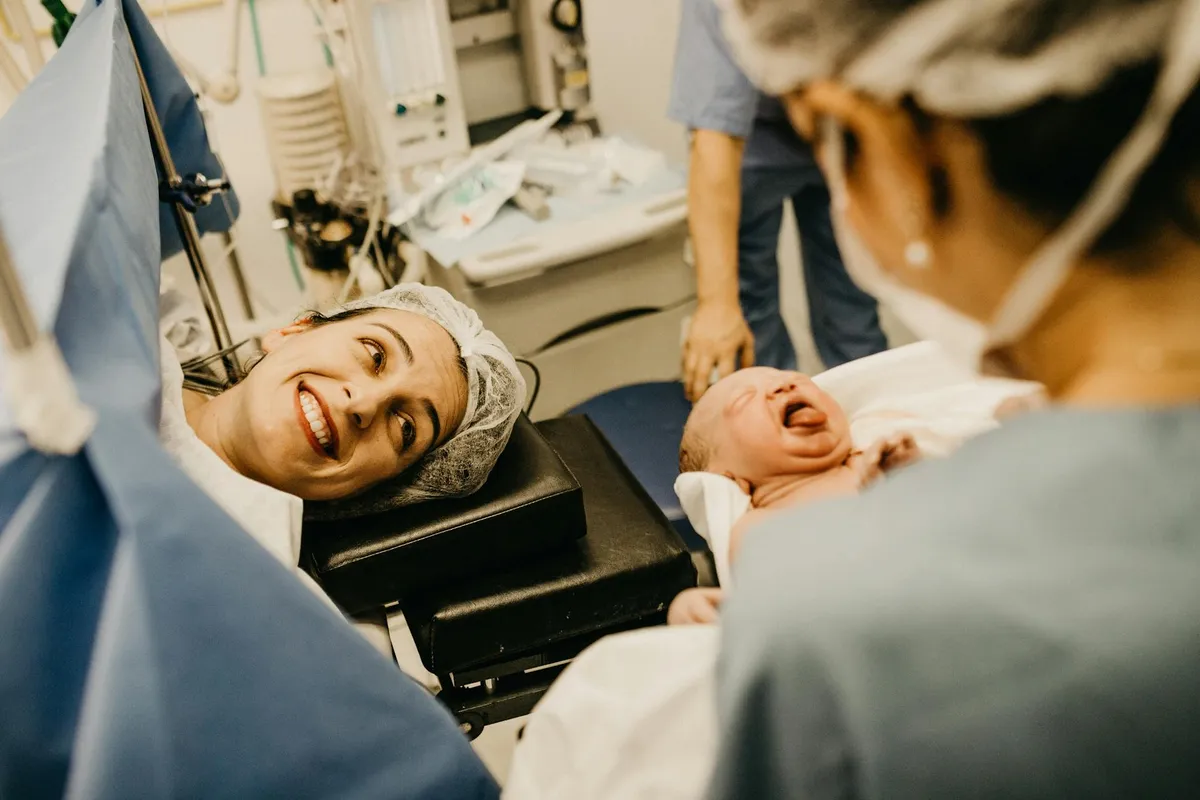
Licensed Midwives are regulated healthcare professionals trained to provide comprehensive prenatal, labour, delivery, and postpartum care within an evidence-based framework.
A regulated healthcare professional providing care during pregnancy, labor, delivery, and postpartum.
At a glance
What it is
Licensed Midwives are regulated healthcare professionals trained to provide comprehensive prenatal, labour, delivery, and postpartum care within an evidence-based framework.
Why people explore it
How it’s experienced
**Initial Consultation** Your first visit typically lasts 60–90 minutes and includes a comprehensive health history, physical examination, and discussion of your pregnancy, birth preferences, and health goals. The midwife will review your medical records, conduct baseline laboratory tests (blood type, anemia screening, infectious disease screening), take vital signs, and perform an initial pelvic examination if appropriate. This session establishes the foundation for ongoing care and allows you to build trust and ask detailed questions about your care plan.
Evidence context
Research-supportedSee the evidence snapshotSafety
Typical risk: Low
See staying safeHistory & Origin
Licensed Nurses offer nursing services in accordance with licensing requirements.
Midwifery is one of the oldest healthcare professions, with evidence of skilled birth attendants supporting women for thousands of years across virtually all cultures. Traditional midwifery knowledge was passed down through generations of women, forming the foundation of obstetric care before the medicalization of childbirth in the 19th and 20th centuries. In the United States, the formalization of nurse-midwifery began in the 1920s when nursing organizations recognized the value of combining nursing expertise with specialized childbirth training. The Frontier Nursing Service in Kentucky pioneered this model, training nurses to provide comprehensive maternity care in underserved rural communities. Today, Licensed Midwives (including Certified Nurse-Midwives and Licensed Midwives in regulated states) represent a blend of traditional midwifery wisdom and modern clinical training, recognized by professional organizations such as the American College of Nurse-Midwives and integrated into many healthcare systems worldwide.
The evidence
An honest read on how Licensed Midwife has been studied — an evidence tier and the research behind it, not a guarantee and not a ranking of “better.”
Among the more studied approaches
Licensed Midwives practice within a well-established evidence-based framework with decades of clinical research supporting safe, effective prenatal care and labor management for low-risk pregnancies.
See History & origin above for the full account.
Safety first
General guidance to help you decide whether this approach is appropriate for you. This is informational only and not a substitute for medical, psychological, or professional advice.
If you are pregnant, managing a health condition, recovering from injury or surgery, or taking medication, consult a qualified healthcare professional first.
Some situations call for extra care or a different approach. Share any conditions, injuries, or sensitivities with your practitioner before your first session.
Look for clear boundaries, transparent pricing, and practitioners who avoid fear-based claims or pressure to book frequent sessions.
Mild, short-lived effects such as tenderness, tiredness, or temporary soreness can occur. Rest, hydrate, and tell your practitioner how you respond.
For you?
A simple, human way to weigh it up. This is general guidance, not personal medical advice — a qualified practitioner can advise on your situation.
Gyfts is a discovery platform, not a medical provider. Nothing here diagnoses, treats or replaces professional care. In an emergency, contact your local emergency number.
Explore approaches
Other practices people often explore alongside licensed midwife.
Before you book
FAQ
A Certified Nurse-Midwife (CNM) is a registered nurse who has completed additional graduate-level education in midwifery and passed national certification. A Licensed Midwife (LM) may have different educational pathways depending on the state and may not be a nurse; requirements vary significantly by jurisdiction. Both are regulated healthcare providers, but credentials and scope of practice differ by state. Always verify your provider's specific licensure and credentials.
Many Licensed Midwives are trained to provide prenatal care and monitoring for certain high-risk conditions (gestational diabetes, mild hypertension) in collaboration with an obstetrician. However, some conditions require physician-led primary care. The key is clear communication with your midwife about your specific health situation and establishment of collaborative relationships with physicians when needed.
Standard prenatal care typically includes 14–16 visits over a 40-week pregnancy: roughly monthly visits in the first two trimesters, every 2–3 weeks in the third trimester, and weekly visits near term. Additional visits may be needed for specific concerns. Your individual schedule may vary based on risk factors and preferences.
Licensed Midwives are trained to recognize complications and initiate appropriate responses, which typically includes notifying the obstetric team, transferring to hospital care if necessary, and ensuring seamless transition of care. Complications such as fetal distress, excessive bleeding, or maternal vital sign changes prompt immediate intervention and physician consultation. Discuss transfer protocols and emergency procedures with your midwife before labor.
This depends on your practice setting. Midwives working in hospitals typically have access to all pain management options including epidural, IV pain medication, and nitrous oxide. Midwives in birth centers may offer nonpharmacologic options (position changes, water immersion, breathing) and sometimes oral or intramuscular medications, with hospital transfer available for epidural if desired. Discuss available options during your prenatal care.
Postpartum care typically includes physical assessment (bleeding, wound healing, vital signs), emotional health screening for postpartum depression, breastfeeding support, newborn feeding and care guidance, and family planning counseling. Many midwives offer extended postpartum visits at 12 weeks or longer. Some provide lactation consultation, perineal care instruction, and ongoing primary care coordination.
Coverage depends on your insurance plan and whether your midwife is in-network. Certified Nurse-Midwives (CNMs) are typically covered by most insurance plans; Licensed Midwives (LMs) coverage varies by state and insurer. Some insurance plans cover hospital-based midwifery but not birth center care. Verify coverage with your insurance company and discuss costs and payment options with your midwife's office.
References
Educational sources that inform this overview. Inclusion is for context and does not imply endorsement.
Full citations are maintained by the Gyfts editorial team and reviewed periodically.
Keep exploring
Browse practitioners, explore honest overviews, and take what you learn to a conversation — at your own pace.