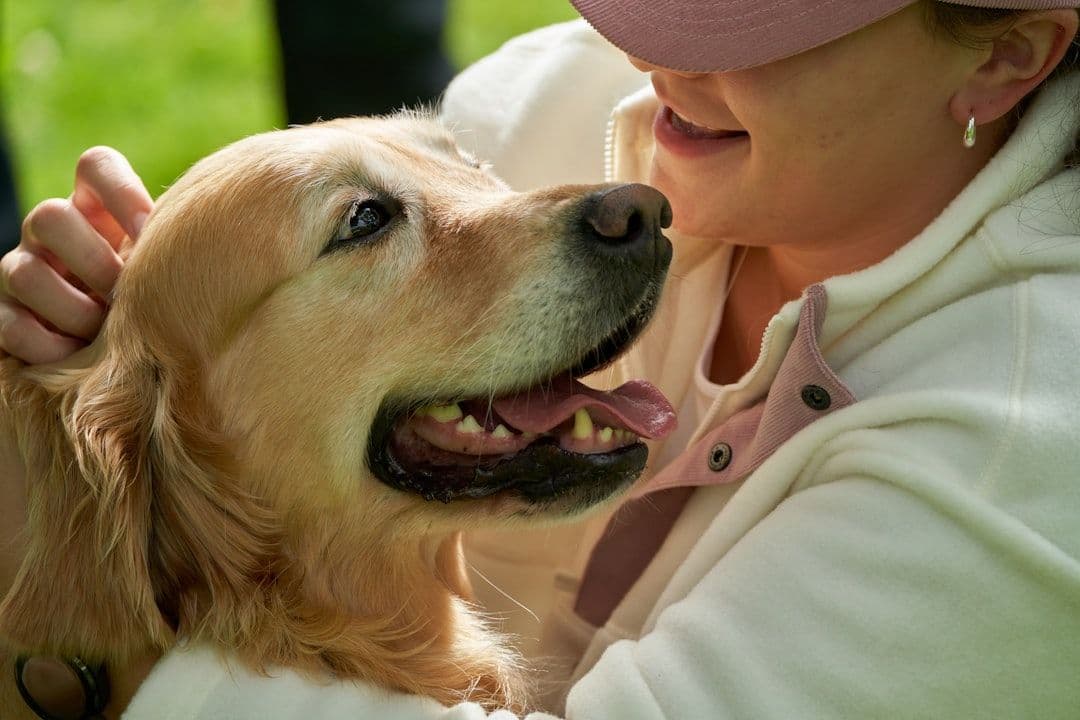
Animal-assisted therapy is a structured, goal-directed form of care in which a trained professional, such as a counselor, psychologist, occupational therapist or physical therapist, includes a specially screened animal in sessions. Dogs are the most common partners, horses are also widely used, and the work may support emotional, social or physical goals. This guide explains how animal-assisted therapy works, who it is for, what research shows and how to stay safe.
What animal-assisted therapy is and how it works
What makes animal-assisted therapy therapy is the structure around the animal. A qualified professional sets goals with the client, plans activities that serve those goals and records progress, and the animal and its handler have been screened for health and temperament. The animal might sit beside a client during counseling, be groomed or walked to practice calm and confidence, or encourage a child to speak or move in therapy.
It helps to separate related ideas. Animal-assisted activities are informal visits, such as a dog visiting a hospital ward, with no individual goals. An emotional support animal is a person's own pet, kept for comfort. A service dog is trained to do specific tasks for one person with a disability. Equine-assisted approaches, including hippotherapy, which uses the horse's movement in physical rehabilitation, are often discussed as their own field.
Why might an animal help? Researchers suggest a calm animal may make a setting feel safer and less judgmental, give people something to focus on besides their worries and make it easier to engage with a therapist. Studies of the stress hormone cortisol show mixed results. A 2025 meta-analysis of dog-assisted interventions in young people found cortisol fell in sessions lasting more than 15 minutes, but not in shorter ones. No mechanism is firmly established.
Where animal-assisted therapy comes from
People have kept animals in places of care for a long time, but animal-assisted therapy as a professional field is recent. The American child psychologist Boris Levinson is widely credited with drawing attention to it in the 1960s, after writing about how his dog helped withdrawn children open up in sessions. Programs spread through hospitals, schools, care homes and therapy practices in the following decades.
As the field grew, so did efforts to set standards. Infection-control guidelines for animal visits in health care facilities were published in North America in 2008, noting that hospital policies had lagged behind practice. A 2019 review of the field identified research quality, animal welfare, practice standards and public policy as its main open issues. Terms still vary between countries, which makes studies hard to compare.
What people use animal-assisted therapy for
People explore animal-assisted therapy most often for emotional support: easing anxiety or stress, lifting low mood, and feeling less lonely. It is offered in mental health services, hospitals, schools, rehabilitation centers and care homes for older adults, including people living with dementia. Therapists also use it with children and adolescents, including autistic children, to support communication and engagement.
Some programs focus on trauma, especially equine-assisted programs for military veterans with post-traumatic stress. Others aim at physical goals, such as hippotherapy for children with cerebral palsy, where a 2025 review of 25 studies reported gains in gross motor function, while noting small samples and little blinding.
These are reasons people explore animal-assisted therapy, not promises of an outcome. You can browse the conditions and symptoms hubs to see how it sits alongside other approaches, or read about equine-assisted therapy in more depth.
What the research says
The evidence for animal-assisted therapy is early and uneven: promising for mood, anxiety and stress, but built mostly on small, low-quality trials. A 2026 meta-analysis of 35 randomized trials in 2,391 adults found reductions in depression, anxiety and stress, with wide variation, and no meaningful effect on pain or walking. A 2024 review in older adults found a moderate effect on depressive symptoms, but 78.9% of its trials were at high risk of bias.
In dementia, a 2026 evidence map of 29 trials found possible benefits but low study quality, and a 2023 network meta-analysis found no clear improvement in cognition, depression or quality of life. A 2024 autism meta-analysis found gains in social communication and irritability, at high risk of bias.
PTSD research is mixed. A 2024 review of 13 studies of equine programs for veterans found lower PTSD scores, but only one study had a low risk of bias. In a 2021 trial with 33 abused young people, adding a dog to trauma-focused cognitive behavioral therapy gave no extra benefit and may have slowed progress for some. In a 2023 trial with 181 veterans, those given service dogs, a separate approach, had a modestly greater drop in PTSD symptoms than those given emotional support dogs, but not better overall functioning.
Safety and who should check first
Animal-assisted therapy is generally low risk in well-run programs, but it involves a living animal. A 2016 systematic review of hospital programs named allergies, infections and animal-related accidents such as bites or scratches as the main risks, including germs passed between animals and people, and found that simple hygiene measures were effective at minimizing them. Horses add risks of falls and kicks.
Check with your clinician first if you have animal allergies or asthma, a weakened immune system, open wounds or are in a hospital unit with infection-control rules. Tell the practitioner about any fear of animals; sessions should never push you into contact. Animal welfare matters too. Researchers have raised concerns about stress in working animals, so a good program limits session length, watches for signs of stress and lets the animal step away.
Fitting it alongside everyday and conventional care
Animal-assisted therapy works best as a complement within a wider plan, not as a stand-alone treatment. Most trials added it to usual care, and the youth PTSD trial is a reminder that adding an animal does not automatically improve established therapy. If you have anxiety, depression or trauma symptoms, keep working with your mental health provider and ask whether animal-assisted sessions might fit your goals.
For some people the main benefit may be practical: an animal makes it easier to attend, talk or try something new. That is worth valuing for its own sake, while keeping expectations modest about larger health changes.
Finding an animal-assisted therapy practitioner
Look for a licensed or registered health or mental health professional with specific training in animal-assisted therapy, working with an animal that has been assessed for health and temperament. Ask about goals, hygiene, insurance and welfare protocols. Browse the Gyfts directory, read the animal-assisted therapy modality page, or explore related approaches. Costs vary, so ask up front.