In an animal-assisted therapy session, a trained professional, such as a counselor, psychologist or occupational therapist, works with you toward goals you have agreed, with a screened animal, usually a dog or horse, as part of the session. You meet the animal at your own pace, take part in guided activities with it, and finish by talking through what you noticed. This page walks through a typical session of animal-assisted therapy, from booking to afterward.
Before you book
Animal-assisted therapy is different from a casual visit by a therapy dog. Look for a licensed or registered health or mental health professional who has specific training in working with animals, and an animal that has been assessed for health and temperament. Sometimes the professional handles their own animal; sometimes a separate trained handler attends.
Before booking, ask what kind of animal is involved, where sessions take place, how goals are set and how progress is reviewed. Ask about hygiene, insurance and how the animal's welfare is protected. Tell the practitioner about allergies, asthma, a weakened immune system, fear of animals or any past bad experience with them, so they can decide together with you whether it is a good fit.
When you arrive
Sessions take place in many settings: a therapy office, a hospital or care home, a school, or a farm or stable for work with horses. A first session usually starts without the animal, or with the animal resting at a distance, while the practitioner explains how things will work.
Expect an intake conversation about why you have come, your health, any allergies or fears, and what you hope to work on, such as feeling calmer, building confidence or practicing communication. The practitioner should explain the safety rules, such as how to approach the animal, and remind you that you never have to touch it. Many programs ask you to wash or sanitize your hands before and after contact.
During the session
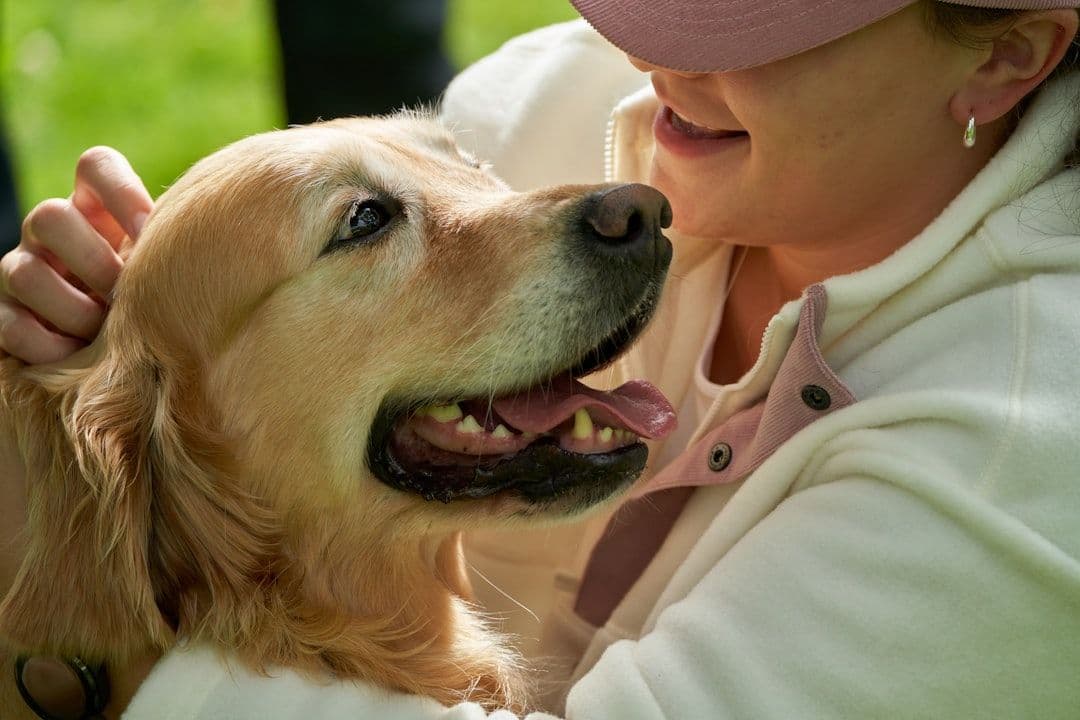
Introductions happen slowly. With a dog, the animal may sit or lie nearby while you settle, and you can choose whether to say hello, offer a hand to sniff or stroke it. Some people watch for the whole first session, which is fine. The handler is watching the animal throughout and will move it away if it seems tired or unsettled.
The main part of the session is built around your goals, and the animal is a partner in the work rather than the whole point. In a counseling session, a dog might simply rest beside you while you talk about something difficult, and stroking it may help you stay settled. In other sessions you might groom or walk the animal, give it simple cues, or practice a skill such as speaking clearly, staying calm when the animal does something unexpected, or setting a gentle boundary. With children, a therapist might use the animal to encourage talking, movement or following instructions.
Equine-assisted sessions usually take place outdoors or in an arena. Many mental health programs keep you on the ground, grooming, leading or simply watching how the horse responds to you, while some programs, such as therapeutic riding or hippotherapy, include time on horseback with trained staff. You can read more on the equine-assisted therapy page.
Throughout, the practitioner checks in on how you are feeling and adjusts the pace. Near the end, the animal is usually settled or led away, and you spend time reflecting on what came up, how it felt and how it connects to your goals.
What you might notice
Many people say the presence of an animal makes a session feel less formal and easier to start. You might feel calmer, laugh, or find it easier to talk. Some studies have measured stress hormones during dog-assisted sessions; a 2025 review in young people found cortisol fell in sessions lasting more than 15 minutes but not in shorter ones, which hints that brief contact may not be enough.
Not everyone has a positive experience. You may feel nervous, sad when the animal leaves, or frustrated if it does not do what you asked, and those reactions can become useful material to talk about. Research overall is early, and one trial in young people with trauma found that adding a dog to standard therapy gave no extra benefit, so it is wise to keep expectations open rather than fixed.
Afterward
Wash or sanitize your hands after contact with the animal, and tell staff about any scratch, bite or allergy symptoms, however minor. If you had a reaction such as itching, sneezing or wheezing, let the practitioner and your clinician know before the next session.
Between sessions, the practitioner may suggest a small task linked to your goals, such as practicing a calming technique you used with the animal. If you are also seeing a doctor or therapist, let them know you are taking part so the care fits together.
Length, frequency and cost
Session length varies with the setting and the animal. Many sessions follow the length of a usual counseling or therapy appointment, while visits in hospitals or care homes may be shorter, partly to protect the animal from tiring. Programs are often run as a series of weekly sessions with goals reviewed along the way.
Cost depends on the practitioner's profession, the setting and the type of animal; equine programs, which need horses, staff and facilities, may cost more than office-based sessions. Some sessions are part of hospital, school or care home programs. Fees and insurance coverage vary, so ask up front.
Questions to ask and when to check with your doctor first
Useful questions include: What is your professional license and your training in animal-assisted therapy? How was the animal assessed, and how do you watch for its stress? What are your hygiene and safety rules? How will we measure whether this is helping?
Check with your doctor first if you have animal allergies or asthma, a weakened immune system, open wounds or recent surgery, or if you are pregnant and will be around horses or farm animals. You can also browse the Gyfts directory or explore related approaches.