Frequency-based therapy is an umbrella term for practices that use sound, vibration or electromagnetic frequencies with the aim of supporting relaxation and wellbeing. It ranges from singing bowls and tuning forks to audio tones and electronic devices said to emit healing frequencies. This guide explains what frequency-based therapy covers, which parts have real studies, which claims have none and who should check first.
What frequency-based therapy is and how it works
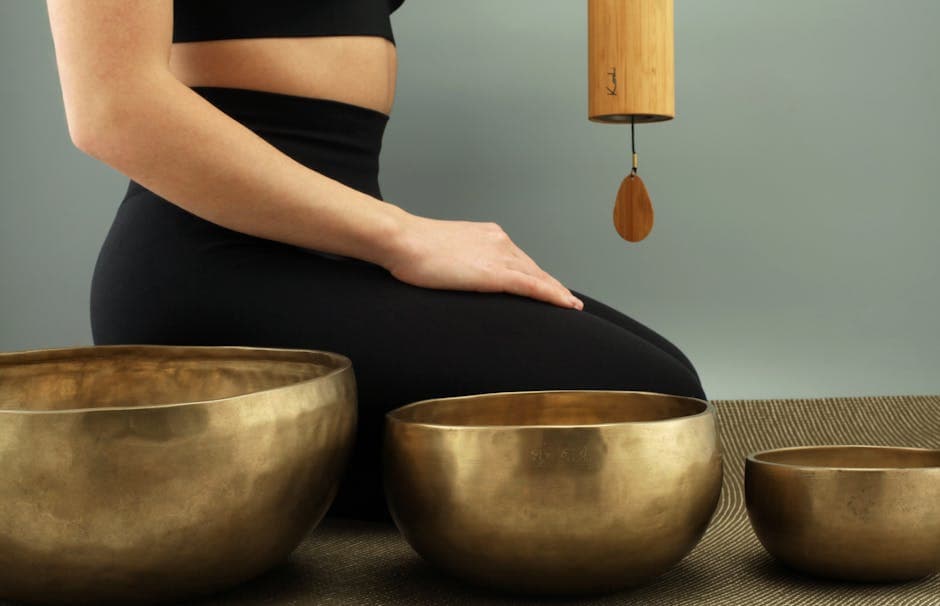
It helps to split frequency-based therapy into three families, because they work in different ways and have very different evidence. The first is sound and vibration sessions, such as a sound bath with singing bowls, gongs or tuning forks. You lie or sit while a practitioner plays instruments near or sometimes on the body. The second is audio tones, such as binaural beats, where two slightly different tones in each ear create the sense of a third, pulsing tone.
The third family is devices. Some are medical, such as pulsed electromagnetic field therapy, or PEMF, which uses changing magnetic fields. Others are wellness devices, including Rife-style frequency generators and bioresonance machines, that claim to detect or correct the frequencies of organs, germs or illness.
What can be said plainly: sound can be calming, and quiet, focused listening in a restful room often helps people relax. Medical devices have physical effects that can be measured and tested. The broader idea that the body, or each disease, has a frequency that a device can read or rebalance is not established by science, and it is where most unsupported claims sit.
Where frequency-based therapy comes from
Using sound for ritual, meditation and comfort is ancient and appears in many cultures, from chanting to drums and bowls. Singing bowls are widely associated with Himalayan and Asian traditions, though their use in modern sound baths is largely a recent wellness practice.
The device side has a different history. In the 20th century, the American inventor Royal Rife claimed that specific frequencies could destroy microbes, and devices sold under his name still circulate; his claims were not confirmed by independent research. Electrodermal and bioresonance devices came later. Separately, mainstream medicine adopted some electromagnetic devices, and a 2020 review states the US Food and Drug Administration approved PEMF for fractures that fail to heal.
What people use frequency-based therapy for
Most people explore frequency-based therapy for relaxation and stress relief. Other common reasons include support with sleep, low mood, tension, fatigue and general wellbeing, and some people use it to complement yoga or meditation. People also try devices hoping for help with pain, recovery after exercise or chronic illness.
These are reasons people explore it, not established outcomes, and the reasons vary by approach. A sound bath is usually framed as a relaxing experience. Wellness devices are sometimes marketed with much bigger claims, such as finding hidden disease, removing toxins or eliminating serious illness, and those claims are not supported by research. You can browse the conditions and symptoms hubs to see other approaches for the same concerns.
What the research says
The evidence depends on which approach you mean, and for most wellness frequency devices there is no good evidence at all. For sound sessions, a 2025 systematic review of singing bowls found 19 clinical studies, half of them randomized trials, suggesting possible benefits for anxiety, depression and sleep. These studies were small, and they do not show that a specific frequency matters. A 2022 meta-analysis of 15 binaural beats studies found a moderate effect on memory and attention, with conflicting results across studies.
For PEMF outside bone healing, a 2026 meta-analysis of nine trials with 457 people with knee osteoarthritis found no significant improvement in pain or overall function scores at one month. Some subscores improved at certain time points, but the risk of bias was high and the changes may not be clinically meaningful.
For detection claims, blinded studies are clear. A 2001 double-blind trial in the BMJ and a 2002 study of 100 people found electrodermal devices could not tell allergic from non-allergic people. For bioresonance, a 2017 review found a single eczema study showed no advantage over sham, and a 2023 meta-analysis of one wellness device included only studies run by its maker.
Safety and who should check first
Sound and vibration sessions are generally low risk. Loud gongs or bowls can be uncomfortable or unsuitable if you have hearing loss, tinnitus or sound sensitivity, so ask about volume and sit farther away if needed. Some people feel emotional or lightheaded after deep relaxation.
Electromagnetic and electrical devices need more care. Anyone with a pacemaker or other implanted electronic device should check with their doctor before any device is used, and pregnancy and epilepsy are worth discussing first. A 2022 analysis of fracture trials reported more side effects with electromagnetic devices than with control, though the estimate was imprecise. The biggest risk is indirect: trusting a device that claims to detect or eliminate illness and delaying medical care.
Fitting it alongside everyday and conventional care
Frequency-based practices fit best as relaxation tools alongside conventional care, not as a way to find or manage illness. A sound bath or a calming audio track can sit comfortably next to medical treatment, therapy, exercise and good sleep habits.
If a medical electromagnetic device is relevant to you, such as for a fracture that is slow to heal, that is a decision for your medical team. Be cautious of any practitioner who suggests stopping medicines, skipping tests or replacing medical care with a frequency device, and tell your clinician about anything you use.
Finding a practitioner
Look for a practitioner who explains clearly what tools they use, is honest about the evidence and never claims to detect disease. For a device, ask what it is, whether it is cleared by a regulator and for what use. Browse the Gyfts directory, read the frequency-based therapy modality page or explore related approaches. Ask about fees up front.