A frequency-based therapy session usually begins with a short conversation about your health and what you hope for. You then rest, fully clothed, while the practitioner plays singing bowls, tuning forks or recorded tones, or uses a device such as an electromagnetic mat, and the session ends with a few quiet minutes. This walkthrough explains what to expect from frequency-based therapy, from booking to aftercare.
Before you book
Frequency-based therapy covers very different sessions, so start by asking what a practitioner actually does. Some offer sound sessions with instruments, much like a sound bath. Others use electronic devices. Browse the Gyfts directory or explore related approaches to compare options.
If a device is involved, ask what it is called, what it does, whether a regulator has cleared it and for what use. Be cautious if a practitioner says a device can scan your body for disease, find hidden infections or replace medical care. Before your visit, tell the practitioner about any pacemaker or implanted device, hearing problems, sound sensitivity, epilepsy, pregnancy and health conditions you are being seen for.
When you arrive
Expect a quiet room, often with dim lighting, a padded table, mat or reclining chair, and instruments or equipment nearby. The practitioner will usually ask about your health, what brought you in and how you are feeling today. Some use a short intake form.
They should explain which tools they plan to use, whether anything will touch your body, how loud the session may be and how to ask them to stop or change anything. Wear comfortable, loose clothing; you stay fully clothed. You may be asked to remove metal jewelry or a watch, especially if a device is used. You may be offered a pillow, eye mask or blanket. This is a good moment to ask questions or set limits.
During the session
Every practitioner works a little differently, and what follows is a typical shape for a sound-based session rather than a script. Once you are settled, usually lying on your back, the practitioner may invite you to close your eyes and take a few slow breaths. There is nothing you need to do except rest and listen.
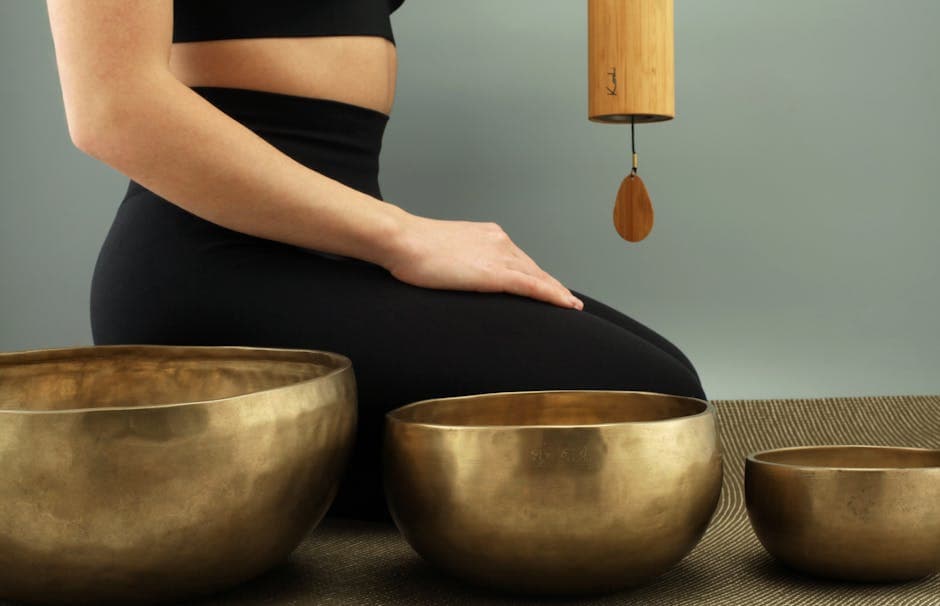
The practitioner then begins playing. Singing bowls are struck or circled with a mallet to create a sustained ringing tone, and some practitioners place a bowl near or gently on the body so you feel a soft vibration. Tuning forks are struck and held near your ears or touched lightly to points such as the wrists, shoulders or feet. Gongs, chimes or recorded tones may be layered in, and the sound often rises and fades in waves.
The practitioner may adjust the instruments, volume or placement as the session goes on and may check in quietly. If you feel the sound is too loud or a vibration is uncomfortable, say so; a good practitioner will adjust straight away.
In a device-based session, the experience is quieter. You might lie on a mat or hold or wear an applicator while a device runs a program, such as with pulsed electromagnetic field therapy. Some wellness devices are described as sending specific frequencies or reading your body's frequencies; these claims are not supported by research. Toward the end of either kind of session, the sound or program winds down and you are given a few minutes to rest before sitting up slowly.
What you might notice
People describe a range of experiences, and no particular feeling is required. Many feel relaxed, heavy or drowsy, and some drift close to sleep. Some notice tingling, warmth or a buzzing sensation where a bowl or tuning fork touches the body, which is the physical vibration of the instrument. Others notice little during the session but feel calmer afterward. Some people feel emotional.
Loud sound can occasionally feel overwhelming or bring on a headache, so speak up if it does. Small studies of singing bowls suggest possible benefits for anxiety, mood and sleep, but they are early and do not show that particular frequencies matter. Any change you notice is not a guaranteed result, and sensations during a session are not evidence that a device has detected or changed anything inside you.
Afterward
Sit up slowly and take a moment before standing, particularly if you feel lightheaded. Drinking some water and avoiding rushing straight into something demanding can help you ease back into your day. The practitioner may ask what you noticed and suggest simple self-care.
Be cautious if the practitioner shares a scan result, a list of supposed imbalances or toxins, or recommends expensive devices or supplements based on the session. Frequency devices cannot reliably detect illness. If you have symptoms that worry you, see a qualified clinician. If you are in medical care, let your care team know what you are using.
Length, frequency and cost
Session length varies by practitioner and approach. Group sound baths and one-to-one sessions are often different lengths, and device sessions may be shorter or longer depending on the program. Ask how long the session will be, and how much of it is intake and rest, when you book.
How often you go depends on what you want. Some people try a single sound session to see how it feels, while others use it occasionally for relaxation. Cost varies by region, setting and practitioner, so ask about fees up front. Be wary of pressure to buy a long package or a home device after one visit, especially if it comes with health claims.
Questions to ask and when to check with your doctor first
Useful questions include: What tools or device will you use? Will anything touch me? How loud will it be? If you use a device, what is it, and is it cleared by a regulator for any use? Do you claim the device can find or fix illness? What is the evidence?
Check with your doctor first if you have a pacemaker or other implanted electronic device, epilepsy, hearing loss or severe sound sensitivity, are pregnant, or have a health problem that has not been assessed. Frequency-based therapy complements medical care and does not replace it.