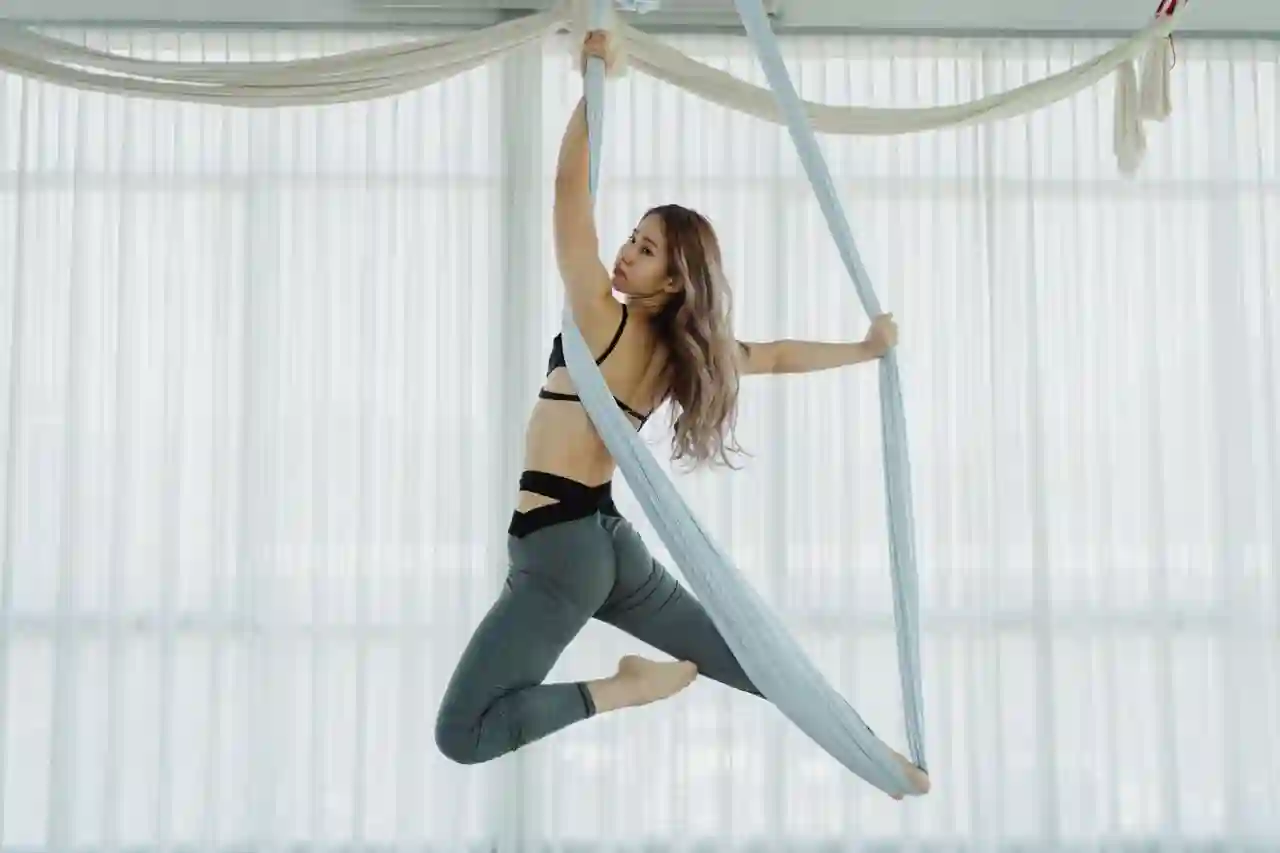
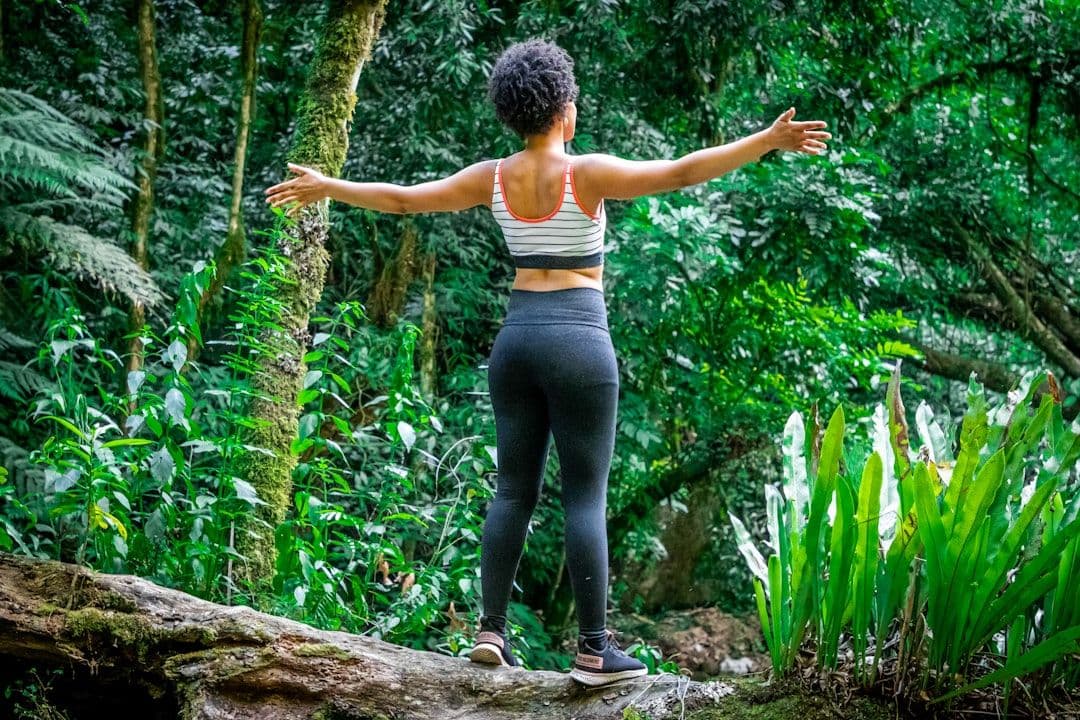
Hatha yoga is a style of yoga that combines physical postures, breathing practices and relaxation, usually taught at an unhurried pace. It is for beginners who want to learn the basics, for people who prefer a gentler class than a fast-moving flow, and for anyone curious about how the hatha yoga modality differs from other approaches to movement and breath.
What hatha yoga is and how it works
In most modern studios, a hatha class means a slower, posture-based session. You move into a posture, called an asana, hold it for several breaths, and then change to the next. Classes commonly include standing poses, seated poses, gentle twists and folds, a breathing practice called pranayama, and a closing rest.
The breath is central. Instructors often cue you to match movement to the breath or to slow it down, and a class may include a seated breathing exercise. Many people also describe the closing relaxation, usually lying on the back, as an essential part of the session rather than a bonus.
As for how it works, yoga combines several things at once: gentle physical activity that can build flexibility, strength and balance, controlled breathing, and a deliberate focus of attention on the body. Researchers study these elements as possible pathways, including effects on stress responses, but no single explanation has been settled.
The label itself is loose. Hatha is sometimes used to mean any physical yoga, and sometimes a gentle introductory class. Specific styles such as Iyengar, which emphasizes precise alignment and props, are often taught under it, so a class description is a better guide than the name alone.
Where it comes from
Yoga is an Indian tradition with a long history, and the word hatha has been used for a physical branch of that tradition for many centuries. One of the best-known early texts is the Hatha Yoga Pradipika, a manual of postures, breath control and cleansing practices usually dated to around the fifteenth century.
A popular explanation says that hatha combines the Sanskrit syllables for sun and moon, suggesting a balance of opposing energies. This is widely repeated, but scholars regard it as a traditional gloss rather than settled etymology.
The postural yoga found in most studios today took shape largely in the twentieth century, when teachers in India developed and spread physical styles that later reached Europe and North America. Modern classes blend older ideas about breath with a more recent emphasis on posture and fitness.
What people use it for
People explore hatha yoga for many reasons, and they often overlap. Some want gentle movement that improves flexibility and body awareness. Others come looking for a way to unwind after a demanding week, to build a regular routine, or to find a quiet hour away from screens.
Stress and worry are common reasons. Many seekers hope that slow breathing, mindful movement and a closing rest will help them feel steadier. Others are drawn to yoga because they carry tension in the back, neck or shoulders, or because they want an activity that is kinder to joints than higher-impact exercise.
Some people use yoga as part of their approach to long-term conditions, usually with their clinician's knowledge, and some are drawn by its spiritual or philosophical side. Still others simply enjoy a class community. These are reasons people choose yoga, not outcomes it guarantees. Related conditions and symptoms appear in the cards on this page, and you can browse similar approaches in the Gyfts explore section.
What the research says
Yoga has been studied extensively, but the results are mixed and often low in certainty, so the honest summary is cautious. A 2021 bibliometric analysis in Complementary Therapies in Medicine counted 322 systematic reviews of yoga for health outcomes, which shows how much has been published, though not how good the underlying trials are.
For chronic low back pain, a 2022 Cochrane review included 21 trials with 2,223 participants, most using iyengar, hatha or viniyoga. It found low to moderate certainty evidence of small improvements in function and pain compared with no exercise, which the authors judged clinically unimportant. Against other back-focused exercise there was probably little or no difference in function. All trials were at high risk of bias.
For anxiety, a 2018 meta-analysis of eight randomized trials with 319 participants found small short-term effects compared with no treatment, but none in people with anxiety disorders, so evidence there was inconclusive. For knee osteoarthritis, a 2019 meta-analysis rated the evidence as very low quality.
In short, yoga may be a reasonable, enjoyable form of gentle exercise, and some reviews report small benefits, but the research does not show that hatha yoga is better than other exercise or that it works for any condition by itself.
Safety and who should check first
Hatha yoga is often described as gentle, but injuries and flare-ups can happen, particularly if you push into a posture or move too fast. The same Cochrane review found low-certainty evidence that yoga was associated with more adverse events than no exercise, mainly increased back pain, though it found no difference from other exercise.
Talk with your clinician before starting if you are pregnant, have high blood pressure, glaucoma, osteoporosis, a recent injury or surgery, balance problems, or any condition affecting your joints or spine. Tell the instructor too, since some postures, such as deep twists, strong backbends and inversions, may need to be modified or skipped.
Work within your own range. Stop if you feel sharp pain, dizziness or numbness. Props such as blocks, straps and chairs are a normal part of practice, not a sign of weakness.
Fitting it alongside everyday and conventional care
Yoga fits well as a complement. It can sit beside regular walking, other exercise, good sleep habits and, where appropriate, physical therapy, counseling or medical care. It does not replace any of these, and you should not stop or change a prescribed treatment because you have started a class.
Because research shows little difference from other exercise for several outcomes, choosing hatha yoga can reasonably depend on what you enjoy and will keep doing. Tell your doctor or physical therapist that you practice, especially if you have back pain or a long-term condition, so they can help you tailor your practice.
Finding a practitioner
Yoga teaching is not regulated by one license, so ask about training and experience with beginners and with your needs. A good instructor offers modifications and welcomes questions. You can read more on the hatha yoga modality page or search the Gyfts directory for classes and practitioners.
Related reading: aerial yoga for beginners explains the hammock-based style, what to expect and who should check with a clinician first.