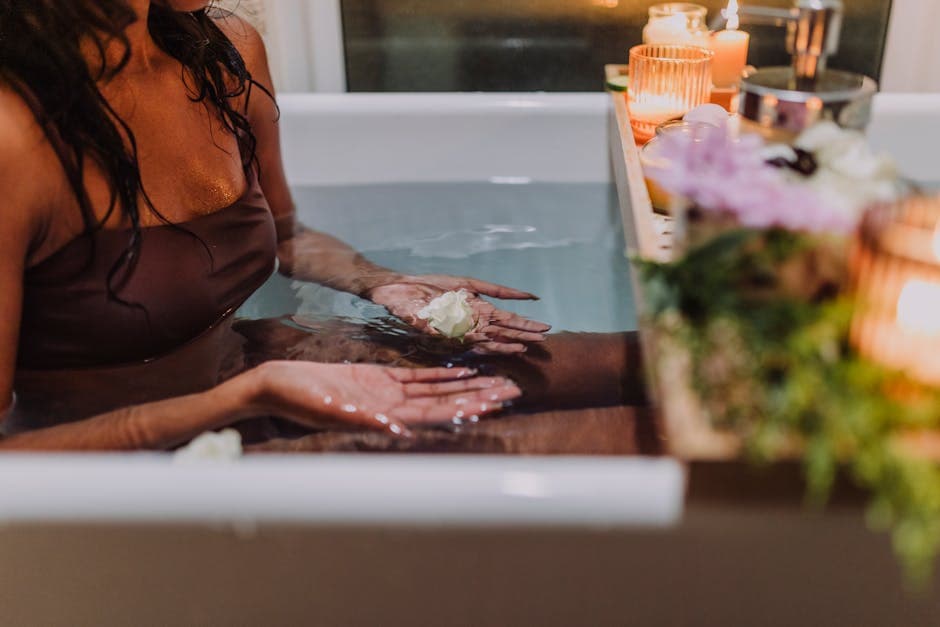
Hydrotherapy is the use of water, at different temperatures and in forms such as baths, compresses, showers and pool exercise, to support relaxation, movement and recovery. It is for seekers who want a gentle, water-based way to ease tension or stay active, including people in rehabilitation. This guide explains what hydrotherapy involves, where it comes from, what research shows and who should check first.
What hydrotherapy is and how it works
Hydrotherapy covers a family of methods that use water as the main tool. Examples include warm or cool baths, hot and cold compresses, wraps, steam, showers that alternate between warm and cool water, foot baths, and exercise in a warm pool led by a physical therapist. Balneotherapy, a related term, means bathing in mineral or thermal waters, often at a spa.
Several properties of water do the work. Temperature is the most familiar: warmth is commonly used to relax muscles and ease stiffness, while cooler water is used to refresh and invigorate. Buoyancy takes some of your body weight off your joints, which is why people who find exercise on land painful often find movement in water easier. Water also provides gentle resistance for strengthening and a hydrostatic pressure that surrounds the body.
Practitioners also describe effects on circulation and the nervous system, and researchers continue to study these. For many methods the exact mechanisms are not settled, so it is safest to think of hydrotherapy as a way of using warmth, cool, buoyancy and relaxation, with outcomes that differ from person to person.
Where hydrotherapy comes from
People have bathed for health and ritual for thousands of years, and many cultures built bathing traditions around hot springs and communal baths. Much of this older history is tradition and lore, and it is better understood as the cultural background of hydrotherapy than as evidence for it.
The modern practice is often traced to nineteenth-century Europe, where figures such as Vincenz Priessnitz and the Bavarian priest Sebastian Kneipp popularized water-based regimens that used baths, wraps and walks in cold water. Their methods shaped naturopathy and spa medicine, and the spa towns of Europe became centers for balneotherapy. In the twentieth century, warm-water exercise moved into hospitals and rehabilitation centers, where it is still widely used.
What people use hydrotherapy for
People explore hydrotherapy for many reasons. Common ones include easing everyday muscle tension, soothing stiff or sore joints, recovering after exercise, unwinding after a stressful day and settling in for the evening. Others use water-based exercise in rehabilitation after an injury or surgery, or because exercising in water feels more comfortable than on land.
Some people come to hydrotherapy for circulation comfort, using contrast showers or foot baths, although this is an area where claims often run ahead of evidence. Spa visits and thermal baths are also a leisure choice for many people, and enjoying a bath does not need a research justification.
These are reasons people explore the practice, not promises of any outcome. You can browse the conditions and symptoms hubs to see how hydrotherapy sits alongside other approaches for the same concerns.
What the research says
The evidence is moderate and uneven: aquatic exercise has the best support, while baths and contrast methods rest on smaller, lower-quality trials. A Cochrane review of 13 trials with 1,190 participants found that aquatic exercise gave small, short-term improvements in pain, disability and quality of life in people with knee or hip osteoarthritis, and rated the evidence as moderate quality. No serious adverse events were reported in connection with the exercise.
A 2026 review of 10 randomized trials with 469 women with fibromyalgia reported better pain, function, sleep and quality of life with water-based exercise than with land-based exercise, though benefits faded without continued therapy. A review of eight trials with 383 people with ankylosing spondylitis found water therapy reduced pain and disease activity but did not improve spinal mobility or function.
For bathing methods, the picture is more mixed. A 2026 network meta-analysis of 26 trials in chronic low back pain suggested water-based approaches helped, but rated almost all comparisons low or very low certainty and called its findings preliminary. A 2025 review of hot foot baths and sleep found six low-quality trials and no statistically significant effect. An umbrella review in rheumatoid arthritis concluded that exercise, psychosocial interventions and custom orthoses seemed effective, while hydrotherapy and balneotherapy were not sufficiently studied to establish effectiveness.
Safety and who should check first
Hydrotherapy is generally gentle, but water that is hot, cold or alternating places real demands on the heart, blood pressure and skin. Check with your doctor first if you have a heart or circulation condition, blood pressure that runs high or low, a history of fainting, diabetes with reduced sensation in the feet, an open wound or skin infection, or if you are pregnant. Older and frail people deserve extra care.
Use sensible precautions in any setting. Water should never be hot enough to scald, you should not be alone in deep water, and you should stand up slowly after a hot bath to avoid dizziness. Pools, whirlpools and baths in shared facilities need good hygiene, so ask how they are maintained. Stop and seek help if you feel faint, short of breath or unwell, or have chest discomfort.
Fitting it alongside everyday and conventional care
Hydrotherapy is best understood as complementary. In the research described above, water-based approaches are generally studied alongside usual care or compared with exercise on land, not offered as a replacement. Land-based exercise remains a beneficial option where a pool is not available.
If you are working with a doctor or physical therapist, tell them you are interested in hydrotherapy and ask how it might fit. Many rehabilitation programs already include pool sessions. A warm bath or foot soak at home can be a pleasant addition to an evening routine, provided any health conditions have been checked first.
Finding a hydrotherapy practitioner
Look for a practitioner with recognized training, such as a licensed physical therapist for pool-based rehabilitation or a trained therapist at a reputable spa or clinic, and ask how they screen for medical conditions. You can browse practitioners in the Gyfts directory, read the hydrotherapy modality page, or explore related approaches. Cost varies, so ask about fees up front.