A hydrotherapy session usually begins with a short conversation about your health, moves into water at agreed temperatures, such as a bath, compress, contrast shower, steam or guided pool exercise, and ends with time to rest. What you do depends on the setting. This guide walks through what to expect, from booking to aftercare, so a first visit for hydrotherapy feels familiar.
Before you book
Hydrotherapy happens in several kinds of places, so start by deciding what you want. A physical therapist may run exercise in a warm pool as part of rehabilitation. A spa or thermal bath offers soaking and steam. A naturopathic or wellness practitioner may use baths, compresses or contrast showers. Ask about the practitioner's training and how they screen clients. You can browse practitioners in the Gyfts directory, or explore related approaches.
Tell the practitioner about heart or circulation conditions, blood pressure, diabetes, skin problems, pregnancy, recent surgery and any medicines you take. Ask whether you need a doctor's note. Also ask about the facility: how the water is kept clean, whether there is supervision, and whether there are rails or steps for getting in and out.
When you arrive
Expect to arrive a little early. You will usually be asked to fill in a health form and talk through your history, your reasons for coming and anything that worries you about the water. Your practitioner explains what will happen, what temperatures they plan to use, how long you will be in the water, and how to signal them if you need help. This is the moment to say what you do not want to try.
Many facilities ask you to shower first, change in a private area and bring a towel or robe, swimwear for a pool, and water to drink. Take off jewelry and leave valuables in a locker. A good practitioner will make clear that you can leave the water at any time.
During the session
Every setting works a little differently, and what follows is a typical shape, not a script. Sessions often begin with a quick check of how you feel, and some practitioners take your blood pressure or pulse. The practitioner checks the water temperature before you get in, using a thermometer, and you should always be free to say it is too warm or too cool.
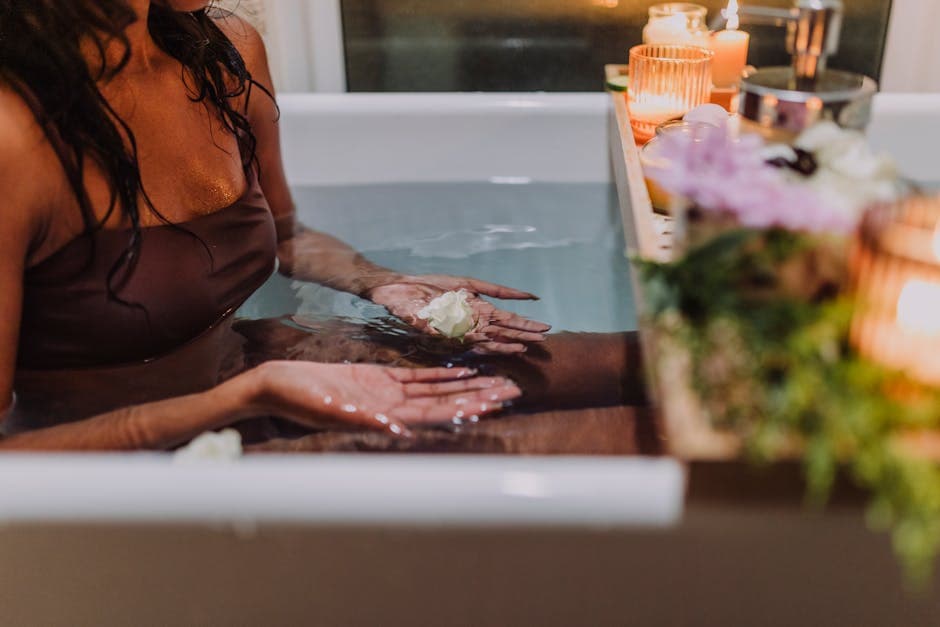
The main part depends on the method. In a warm bath or soak, you sit or recline in water for a set time while the practitioner stays nearby, and you may be offered a cool cloth for your forehead. In a compress or wrap, towels soaked in warm or cool water are applied to an area such as the neck, back or abdomen and covered for a time. A contrast treatment alternates between warm and cooler water, such as a foot bath or shower, usually ending with the cooler step.
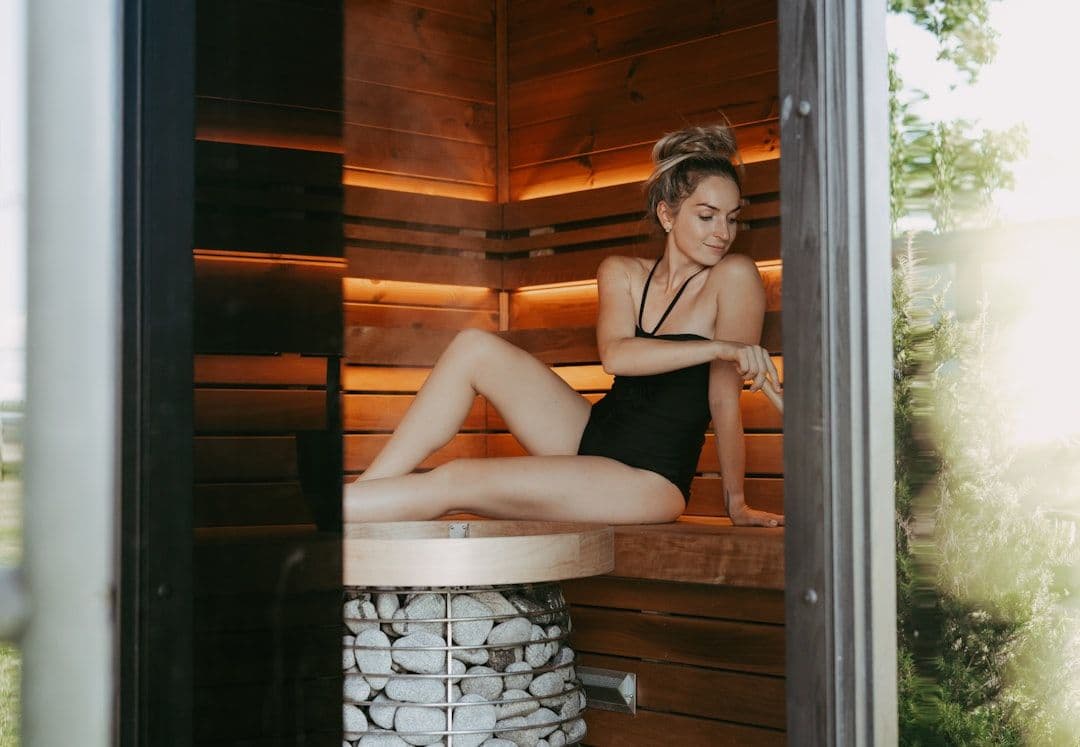
Steam is sometimes used, in a steam room or with a steam bath, and you are encouraged to take breaks and sip water. In a pool session led by a physical therapist, you stand or float in warm water while they guide gentle exercises such as walking, stretching and leg or arm movements, using the buoyancy to take weight off your joints and the resistance of the water to work your muscles.
Your practitioner watches how you respond throughout and adapts the time, temperature and activity. The end of the session is usually a gradual cool-down: you leave the water slowly, dry off, and rest for a few minutes, often wrapped in a towel or blanket, with water to drink.
What you might notice
People describe a range of experiences, and no particular feeling is required or expected. Warm water often brings a sense of heaviness or relaxation in the muscles, and some people feel sleepy. Your skin may look flushed, and you may sweat or feel your heart beat a little faster. Cooler water can feel bracing, with tingling and a quick intake of breath, and some people feel refreshed afterward.
Lightheadedness when you stand up is common, which is why getting out slowly matters. Tell the practitioner right away if you feel faint, dizzy, short of breath, nauseous or have chest discomfort, and expect them to help you out of the water and sit you down. Research on hydrotherapy is mixed and depends on the method, so these experiences are not guaranteed outcomes.
Afterward
Take your time getting dressed and avoid rushing back to something demanding. Drink water, and eat lightly if you are hungry. Avoid very hot or very cold exposure for a while afterward, such as a hot shower straight after a hot bath, and skip alcohol, which adds to the effects of heat on your blood pressure.
Notice how you feel over the next day, including any soreness, tiredness or skin irritation, and tell your practitioner at your next visit. For a rehabilitation program, you may be given exercises to continue on land. If you are in medical care, let your clinicians know how you are getting on.
Length, frequency and cost
Session length depends on the method and the setting. A compress or foot bath may take a short time, while a soak, a spa visit or a pool exercise class can last longer, and pool sessions in rehabilitation programs often follow a set schedule. Your practitioner chooses the duration to suit your health and how you respond.
How often you go depends on your goals. Some people try a single session, others attend weekly or follow a course set by a rehabilitation team. Cost varies by region, setting and practitioner, and spa entry, practitioner time and pool programs are priced differently, so ask about fees, packages and any insurance coverage up front.
Questions to ask and when to check with your doctor first
Useful questions include: What is your training? How do you check my health before we start? What temperatures will you use, and can I change them? How long will I be in the water? Is someone nearby the whole time? How is the water kept clean? How do I get help if I feel unwell?
Check with your doctor first if you have a heart or circulation condition, blood pressure problems, diabetes with reduced sensation, a wound or skin infection, or are pregnant, older or frail. It complements medical care and does not replace it.