A meditation session usually moves through three simple stages: settling in, a guided or silent period of attention on something like the breath, and a quiet close. A practitioner may offer instructions, and you return your attention whenever it drifts. The meditation modality page explains the styles; this article walks through what happens.
Before you book
Start by deciding what kind of setting suits you. Meditation is taught in group classes, one-to-one sessions, workshops, retreats and eight-week courses, in person and online. The Gyfts directory lets you compare practitioners and how each describes their style.
Look at how a practitioner describes their training and approach, and ask which tradition or program they teach, whether the session is guided or mostly silent, and how they handle difficult experiences. If you are new, say so and ask whether a short beginner session is available.
Tell the practitioner about anything that affects comfort, such as trauma, anxiety or depression, chronic pain, pregnancy or limited mobility. You do not need to share more than you wish, but it helps them offer options and pace the session.
When you arrive
Most sessions begin with a few unhurried minutes. A practitioner will greet you, show you the space, and often ask whether you have any injuries, health concerns or previous experience. In a group class this may be a short round of introductions or a brief form, and in a one-to-one session it is usually a conversation.
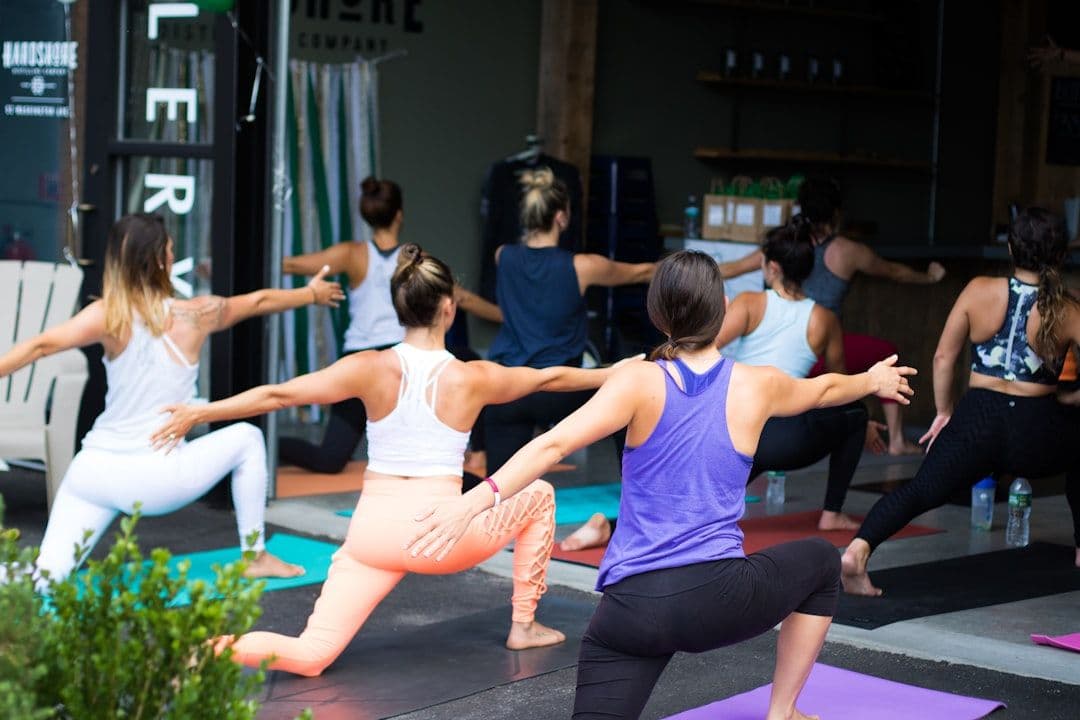
The setting is typically quiet and simple, with cushions, mats or chairs, and sometimes blankets and low lighting. Wear loose, comfortable clothing. Shoes are often removed. Ask about phones, as many practitioners request they are silenced, and mention if you need a chair.
A good practitioner will explain what is about to happen and make clear that you can adjust, open your eyes or stop at any point.
During the session
The practitioner usually opens with a few words about what you will do. You then settle into a posture. Seated on a chair or cushion, with the spine upright but not stiff, hands resting in the lap or on the knees, is the most common choice. Lying down is also fine. You can close your eyes or keep them softly open, looking at a point on the floor.
Next comes a brief settling stage. You may be asked to notice the weight of your body, the contact of your feet or sit bones with the floor, and any sounds in the room. Some sessions begin with a few slower breaths to mark the shift from the day.
The core of the session is a period of directed attention. In breath awareness, you rest attention on the sensations of breathing, perhaps at the nostrils, chest or belly, and notice each inhale and exhale without trying to change them. In a body scan, attention moves slowly from one part of the body to another. In loving-kindness or mantra practice, you silently repeat phrases or a word. A guided session includes a spoken voice that offers prompts, and a silent one leaves longer gaps.
Your mind will wander, and this is expected. Practitioners typically explain that noticing the wandering is the practice. When you notice that you are caught in a thought, a plan or a worry, you gently name it, perhaps as thinking, and bring attention back to the anchor. You may repeat this many times, and it can feel like the same small step again and again.
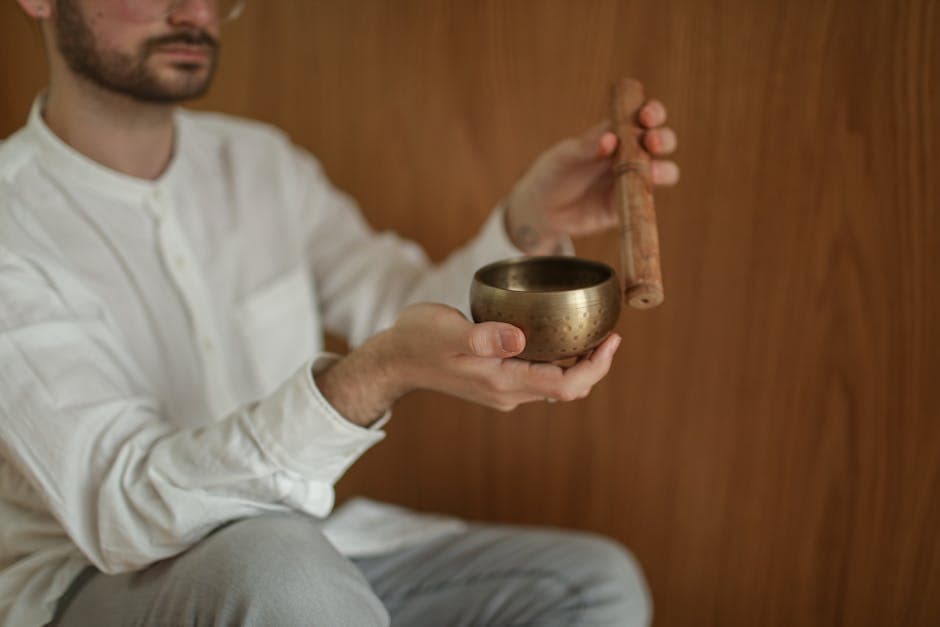
If sitting becomes uncomfortable, you can shift your position slowly. If emotions or sensations feel strong, practitioners often invite you to widen your attention to the sounds in the room, feel your feet on the floor, or simply open your eyes. The session usually ends with a bell or spoken cue and a few deeper breaths.
What you might notice
Experiences vary from person to person and from day to day. Many people notice how busy their mind is, which can feel surprising at first. Some feel calmer or more settled, some feel restless or sleepy, and some feel nothing in particular. All of these are common, and none means you are doing it wrong.
You may notice physical things, such as an itch, an ache in the back or knees, warmth, or tingling. Emotions can surface too, including sadness, irritation or tenderness, sometimes simply because it is the first time in a while you have been still.
Occasionally, people report more difficult experiences such as increased anxiety or unsettling thoughts, even without a previous mental health history. If they do, tell the practitioner and consider pausing. No outcome is guaranteed, and benefits, if they come, usually build gradually with regular practice.
Afterward
Many sessions end with a few quiet moments and sometimes a conversation, so you can ask questions or describe what came up. Take your time getting up before you move on to the rest of your day.
Some people feel relaxed afterward, and some feel tired or a little raw. It can help to leave time before a demanding meeting or a long drive.
Integration is the quieter part. Your practitioner may suggest a short daily practice, a recording or a few minutes of noticing the breath during routine tasks. Short, regular practice is often easier to keep than a long one. If you felt unsettled, tell your practitioner at your next session or sooner.
Length, frequency and cost
Length varies by practitioner and style. Drop-in group classes often last somewhere between half an hour and an hour, one-to-one sessions vary, workshops run longer, and retreats can last a day or several days. Within a session, the silent or guided sitting period itself may be only a portion of the total time.
Frequency also varies. Some people attend a weekly class, others follow an eight-week course, and many practice briefly at home between sessions. Cost varies by region and practitioner, and some community and online offerings are free or donation based. Ask about price, packages and cancellation terms up front.
Questions to ask and when to check with your doctor first
Useful questions include: What is your training and which tradition or program do you teach? Is this session guided or silent? What happens if I feel uncomfortable? Can I stay on a chair? How long is it, and what does it cost?
Check with your doctor or therapist first if you have a history of trauma, psychosis, bipolar disorder or severe depression or anxiety. Meditation can complement conventional care but does not replace it, and you should not stop or change any treatment because of it. For background, see the meditation modality page.