Osteopathy is a hands-on approach in which a practitioner uses touch, stretching, pressure and gentle joint movement to assess and support the muscles, joints and connective tissue. It is for adults who want a manual option for stiffness or discomfort, and it is used alongside conventional care. This guide explains how osteopathy works, where it comes from and what research shows.
What osteopathy is and how it works
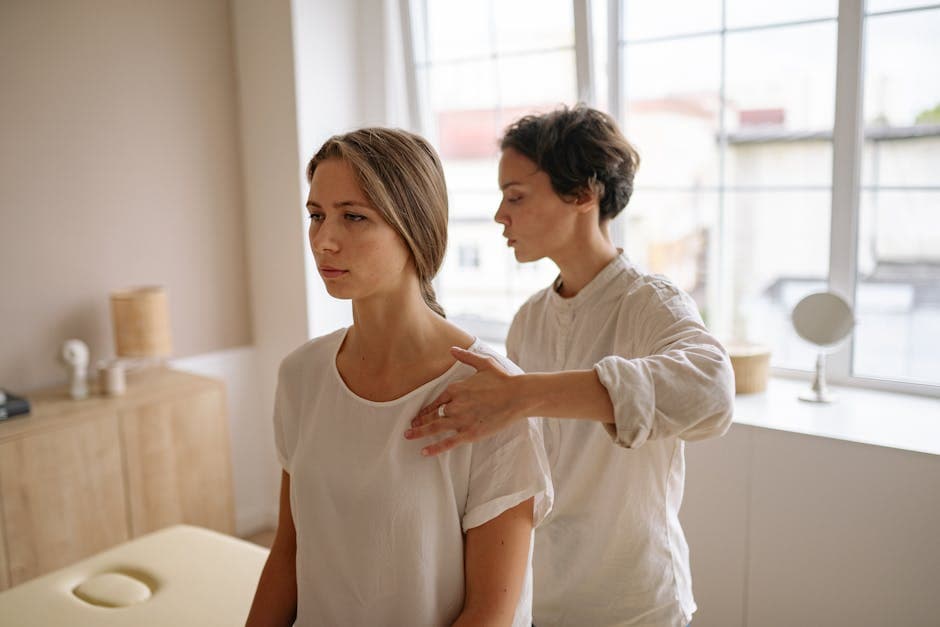
An osteopath looks at how your body moves and holds itself. After listening to your history, the practitioner usually watches you stand and move, then uses their hands to feel for areas of tightness, restricted movement or tenderness. Treatment is tailored to what they find and to your comfort.
Techniques vary. Soft tissue work uses rhythmic stretching and kneading of muscles. Joint mobilization moves a joint gently through its range. Some practitioners use faster, shallow thrusts at a joint (the "click" people associate with manipulation), though many do not. Others use muscle energy techniques, where you gently press against resistance, or myofascial release, a sustained stretch of connective tissue. Some also use gentle approaches such as cranial or visceral work, which have a thinner evidence base.
Osteopathy rests on traditional principles: that the body works as a connected unit, that structure and function influence each other, and that the body has its own capacity for self-regulation. These ideas guide how practitioners think about a session. They are part of the tradition rather than proven mechanisms, and research tests outcomes such as pain and function rather than the principles themselves.
Where it comes from
Osteopathy was founded in the United States by Andrew Taylor Still, a physician who developed his ideas in the 1870s and opened the first school of osteopathy in Kirksville, Missouri, in 1892. Still was dissatisfied with the medicine of his day and emphasized the body's structure and its capacity for recovery.
The profession later developed along different paths. In the United States, osteopathic physicians (DOs) complete medical training, are licensed as physicians and may use hands-on techniques as part of their practice. In many other countries, osteopathy developed as a separate, regulated manual therapy profession. The title therefore means different things in different places.
What people use it for
People most often explore osteopathy for musculoskeletal complaints: low back pain, neck stiffness, joint discomfort and muscle tension. Others come after a period of heavy lifting, long hours at a desk or a sports injury, or because they want a practitioner to look at how posture and movement may relate to their discomfort.
Some seekers come for other reasons, such as headaches, or support during pregnancy or after birth. The research for these uses is thinner than for back and neck complaints, and it is worth discussing your goals openly with a practitioner. The related conditions shown on this page, including back pain, muscle tension and joint discomfort, reflect where osteopathy is most often used and studied.
Many people value that a session is unhurried and focused on them. Whether that explains any benefit is hard to separate from the effect of the techniques themselves.
What the research says
The evidence for osteopathy is mixed. A 2026 systematic review in the Journal of Osteopathic Medicine pooled seven trials (about 378 participants) and reported that osteopathic manipulative treatment (OMT) reduced pain in chronic low back pain over up to six weeks, by about 1.3 points on a 0 to 10 scale, with moderate certainty for short-term pain. A 2020 review of ten trials in Complementary Therapies in Medicine reported benefits for pain and function in chronic non-specific low back pain, but none of the trials was judged fully low risk of bias, and the quality of evidence for OMT was low.
Other findings point the other way. A 2024 meta-analysis in Diseases found that OMT was not superior to sham or placebo treatment for pain intensity or disability in neck or low back pain, and the certainty of that evidence ranged from moderate to very low. A 2022 review in neck pain reported benefits, but rated its evidence as very low quality. A 2025 review of manual therapies in older adults called the evidence limited and inconclusive.
In short, osteopathy may offer short-term relief for some people with back and neck pain, but studies are small, often at risk of bias, and do not consistently beat sham treatment. Evidence for other uses is thinner.
Safety and who should check first
Osteopathy is usually considered low risk, and mild effects such as soreness or tiredness for a day or two are common. A 2024 review of 14 trials of cervical manipulation found no significant difference in mild adverse events compared with controls and none serious or moderate, though the authors noted that trials are not suited to detecting rare serious events. The five trials in the older adults review also reported no serious adverse events.
Check with your doctor first if you are pregnant, have osteoporosis, a recent fracture or surgery, cancer, or take blood-thinning medication, or have numbness or weakness in a limb. Tell your practitioner, who may adapt or avoid some techniques. Sudden severe pain after an injury, loss of bladder or bowel control, fever with back pain or unexplained weight loss need medical assessment before any hands-on care.
Fitting it alongside everyday and conventional care
Osteopathy is used alongside conventional care, not instead of it. For persistent back or neck discomfort, many people combine hands-on sessions with exercise, activity pacing, sleep and workplace changes, and with advice from their doctor or physiotherapist. A practitioner who talks about movement and daily habits, not only treatment on the table, is often a good sign.
Tell your doctor you are trying osteopathy, particularly if you take medication or have a long-term condition. Reassess after a few sessions: if you are not noticing any change, discuss it with your practitioner and consider other options.
Finding a practitioner
Look for a practitioner who is licensed or registered where you live, who explains their techniques and asks about your health history. Cost varies by region and practitioner, so ask about fees up front. Browse osteopathy practitioners in the Gyfts directory or compare related approaches on the Gyfts explore page.