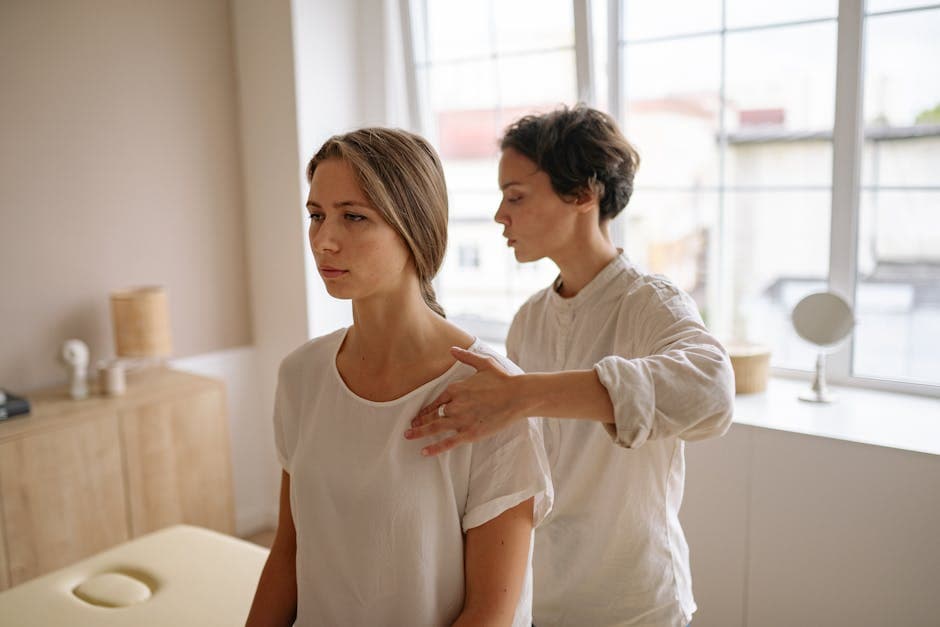
An osteopathy session usually begins with a conversation about your symptoms and health history, followed by a check of how you stand and move. The practitioner then uses their hands, with techniques such as gentle stretching, joint movement and pressure on tight muscles, and finishes with advice. Most sessions last 30 to 60 minutes. This article walks through what to expect with osteopathy, from booking to afterward.
Before you book
Check that a practitioner is licensed or registered where you live, since the title and training differ by country. You can browse practitioners in the Gyfts directory and read about their approach and the concerns they see most.
Before booking, ask what the first session includes, how long it lasts, what it costs and whether they work with your type of concern. When you book, mention any medication, recent injury or surgery, pregnancy or other care you are receiving. If you have images or notes from a doctor, bring them. Wear or bring clothes you can move in.
When you arrive
The first minutes are usually practical. Expect a form covering your contact details, medical history and consent to examination and hands-on care. The practitioner will explain what will happen, check that you are comfortable with it and describe how your information is kept private.
The first visit usually begins with a conversation. The practitioner asks where the problem is, when it began, what makes it better or worse, and about work, sleep, activity and past injuries. You may be asked to change into loose clothing or to remove some outer layers so they can see how you move. You can ask for a gown, a sheet or a chaperone, and you can say no to anything.
During the session
Sessions vary, but a first visit often runs like this. First comes observation. You stand, walk or bend while the practitioner watches posture and movement, and they may test the range of motion at your joints. They may also run through simple strength and sensation checks.
Second comes palpation, where the practitioner uses their hands to feel the muscles, joints and soft tissue for tightness, tenderness or restricted movement. This is usually done with you lying on a treatment table, face up, face down or on your side, and sometimes seated.
Third, they explain what they have found in plain language and suggest what they might do. They may say that something is outside their scope and that you should see your doctor first.
Then comes the hands-on work, tailored to you. This may include soft tissue techniques, rhythmic stretching and pressing of muscles; gentle joint mobilization; muscle energy techniques, in which you push gently against resistance; or sustained stretches of connective tissue. Some practitioners use a quick, shallow thrust at a joint, which can produce a popping sound. This is optional, and you can say if you would rather avoid it. Some practitioners also use light, subtle touch approaches. You should feel pressure or stretch, but not sharp pain, and you can ask them to stop or adjust at any time.
Near the end, the practitioner may recheck your movement, talk through what they did and suggest simple self-care, such as gentle exercises, stretches or changes to how you sit or lift. They may propose a follow-up plan, and you can decide whether it suits you.
What you might notice
Experiences vary. Some people feel looser, lighter or more relaxed straight afterward. Others feel sore, achy or tired for a day or two, a bit like after unfamiliar exercise. Some notice no change at first. Occasionally people feel light-headed on standing up from the table, so take your time.
Changes in discomfort, if they come, are often gradual and may be small. Research findings are mixed, and no session can promise a particular result. If pain is sharp, worsens, or comes with new numbness, weakness, fever or changes in bladder or bowel control, seek medical care promptly rather than waiting.
Afterward
Many people find it helpful to drink water, move gently and avoid strenuous exercise or heavy lifting for the rest of the day. Gentle walking is usually fine. Follow any advice the practitioner gave, such as specific stretches or posture changes, and keep a note of how you feel over the next few days.
If something is not improving, or you feel worse than expected, tell your practitioner at the next visit or call them beforehand. A good practitioner will review your progress and may adjust the plan or suggest you see your doctor.
Length, frequency and cost
A first session often runs longer than later ones because of the history and examination, commonly 45 to 60 minutes, with follow-ups often shorter. Some practitioners recommend a short series of visits spaced a week or more apart, then reassess. How many visits make sense depends on your concern and how you respond, so ask what they expect and how you will both know if it is helping.
Cost varies by region and practitioner, as does insurance coverage, so ask about fees, cancellation policy and what the first visit includes before you book.
Questions to ask and when to check with your doctor first
Useful questions include: What is your training and registration? What techniques do you use, and are any of them forceful? How many visits do you expect I will need, and how will we measure progress? What would make you refer me to a doctor? Can I stop or change anything during the session?
Check with your doctor first if you are pregnant, have osteoporosis, a recent fracture or surgery, cancer, take blood thinners, or have numbness or weakness. Sudden severe pain after an injury, fever with back pain, or loss of bladder or bowel control need medical assessment before any hands-on care. You can also explore other modalities used alongside conventional care.