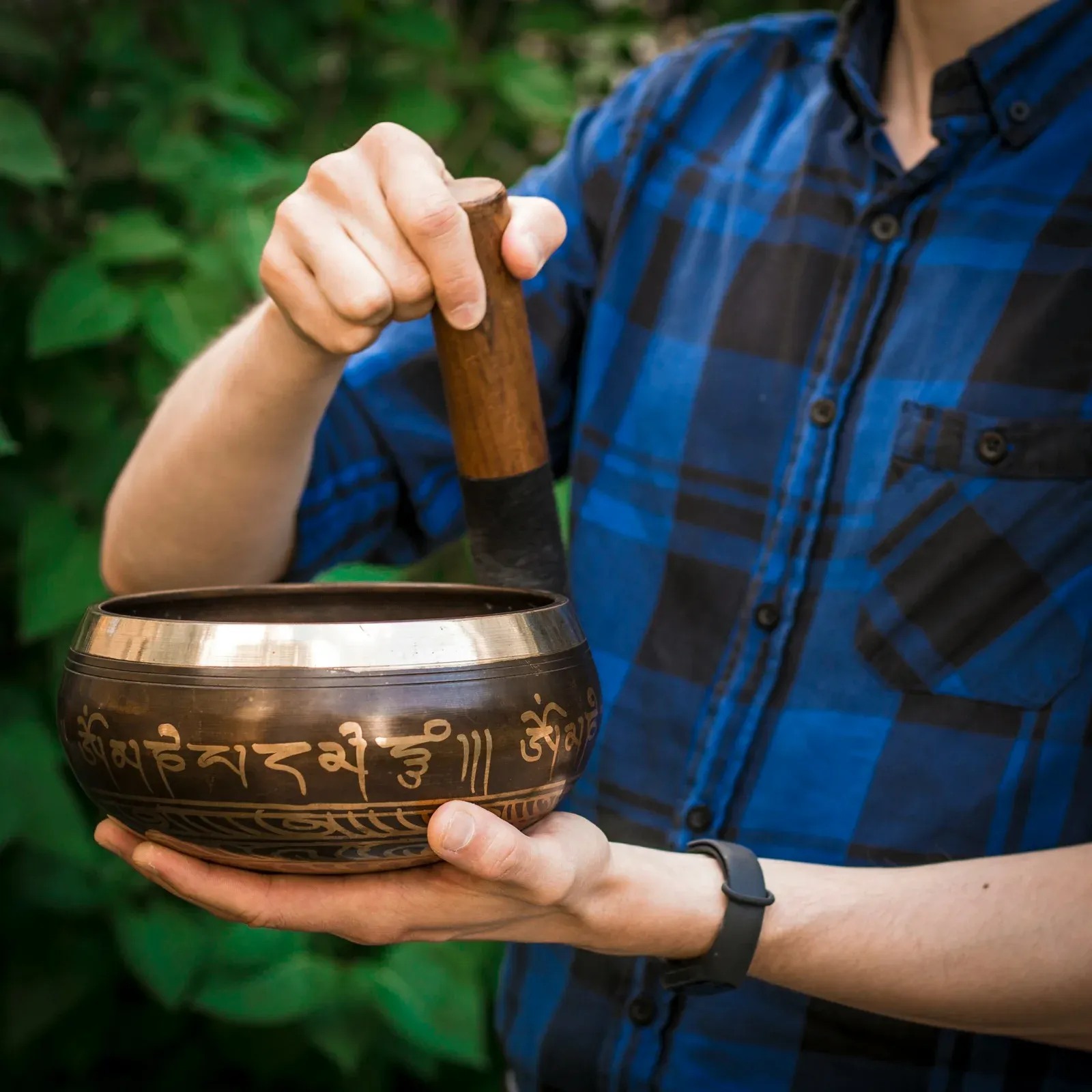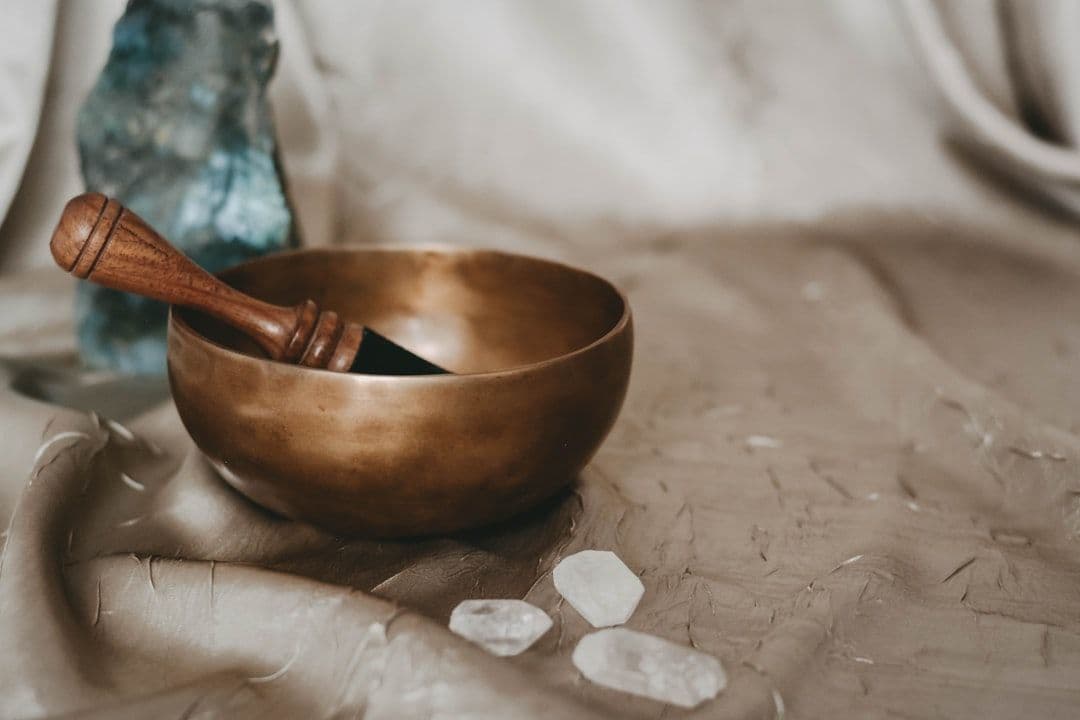
A sound healing session is usually a quiet, restful hour: you lie or sit comfortably, often with a blanket and your eyes closed, while a practitioner plays singing bowls, gongs, tuning forks or other instruments around you. There is nothing to perform and nothing to get right. This guide walks through a typical visit to sound healing, from booking to aftercare, so you know what to expect and what to ask.
Before you book
Decide whether you want a group sound bath or a one-to-one session. Groups are often more affordable and social, while individual sessions let a practitioner adapt to you. Browse options in the Gyfts directory, and read how a practitioner describes their approach, instruments and background.
Ask what a session involves, how long it lasts, how loud it gets and whether instruments are ever placed on or near the body. Mention hearing problems, tinnitus, migraine, pregnancy, implanted devices or anything that makes lying still difficult. A good practitioner will be clear that sound healing supports relaxation and will not promise to heal a condition.
When you arrive
Arrive a little early so you are not rushed. Wear comfortable clothing and consider bringing a blanket or layer, since lying still can feel cool. Many venues provide mats, bolsters and eye covers, but you can ask ahead what to bring. If you have a phone, silence it, and let the host know if you need to leave early.
The practitioner will usually welcome you, describe the instruments and explain how the session will run. In a one-to-one session, expect a short conversation about what you hope for and anything you want them to know about your health or comfort. You can ask for the volume to be kept low, and you can use earplugs or sit up if you prefer.
During the session
Step one is settling in. You are invited to lie down on a mat or sit in a chair, get comfortable and close your eyes if you like. The practitioner may guide a few slow breaths or a short grounding exercise, and some offer a simple intention to hold, which is optional.
Step two is the first sounds. Often the session begins softly, with a singing bowl struck or rubbed so that a tone swells and fades, or with chimes. The tones tend to be sustained and unhurried. You are not asked to analyze them, only to listen, and it is fine if your mind wanders.
Step three is the main body of the session. The practitioner moves between instruments, which might include several bowls, a gong whose sound builds from a whisper to a broad wash, tuning forks, a drum or voice. In some sessions a bowl is placed on or near the body so you can feel its vibration, which is only done with your agreement. Volume and intensity vary, and gong passages are often the loudest.
Step four is the quieter ending. Sounds taper off, and there is often a period of silence. Many people drift into a light doze, and that is expected. A research example is a Dutch study that observed 41 individual singing bowl sessions with 25 nursing home residents and described calm, relaxation and falling asleep as recurring behaviors.
Step five is the return. The practitioner may ring a soft bell or speak quietly to bring people back, and you are invited to move your hands and feet, stretch and sit up slowly. Some practitioners offer a few minutes to share impressions or ask questions, and others simply let the room settle.
What you might notice
Experiences vary widely. Some people feel deeply relaxed, drowsy or lighter. Some notice the vibration of a bowl or gong in the chest or hands, or find that thoughts slow down. Others find it hard to settle, get restless or feel nothing special, which is also normal, and neither reaction means you did it wrong.
Emotions can surface for some people, including tearfulness, memories or a wave of tiredness, and practitioners are used to this. Research is early: reviews of singing bowl studies describe reductions in anxiety and gains in mood and sleep measures in some groups, but studies are small and varied. A good session does not prove a lasting effect, and a flat one does not mean the practice is not for you. If something feels distressing, tell the practitioner.
Afterward
Take a few minutes before standing, since deep relaxation can leave you a little light-headed. Drink some water, and consider keeping the rest of your day gentle if you can. Some people feel sleepy or a little tender emotionally for a while.
A short note about how you feel, in a day or two, helps you decide whether to return and what you liked. If something stirred up difficult feelings, consider talking with a trusted person or a counselor. Sound healing is a complement to your usual care, so keep taking medications and attending appointments as normal.
Length, frequency and cost
Length varies by practitioner and format. Group sound baths commonly run somewhere between 45 and 90 minutes, and one-to-one sessions vary, so check the listing. In research, singing bowl studies have ranged from single sessions to multiple courses, and one lab experiment tracked physical arousal over 40 minutes of exposure. How often to go is a personal choice, since there is no standard schedule.
Cost varies by region, practitioner and whether the session is individual or in a group, and there is no standard price. Ask up front about the fee, session length, any cancellation policy and whether packages are offered.
Questions to ask and when to check with your doctor first
Useful questions include: What does a session involve and how long is it? How loud does it get? Will instruments touch my body? What is your background and training? What should I do if I feel unwell? If you are comparing options, you can also explore related approaches.
Check with your doctor first if you are pregnant, have an implanted medical device, have hearing loss or tinnitus, have a serious or worsening condition or have a history of trauma. Be wary of promises to heal a condition or of advice to avoid conventional care.