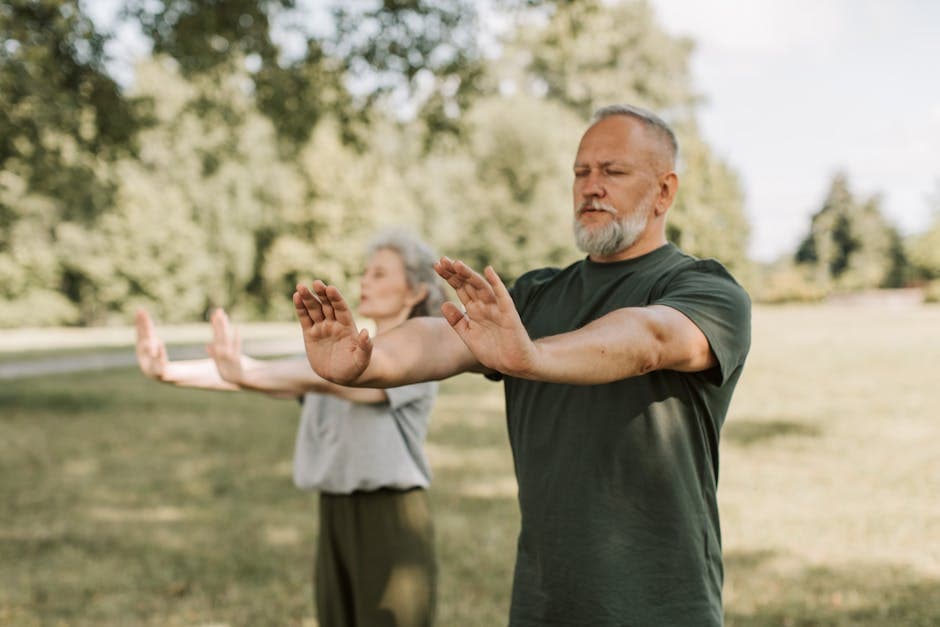
A tai chi session is usually a quiet group class in which an instructor leads you through slow, flowing postures while you stand, follow along and breathe naturally. Expect a gentle warm-up, a few short sequences repeated until they feel familiar, and a calm finish. It is a good first step for seekers who want low-impact movement and a slower pace. This walkthrough covers what happens in a typical class; the tai chi modality page has background on the practice.
Before you book
Tai chi is commonly offered as group classes, and some practitioners also give private lessons or teach online. Browse the Gyfts directory for practitioners near you and look for a class labeled for beginners. Read how the instructor describes their style, since tai chi comes in several lineages and the pace can differ between them.
Before you commit, send a short message. Ask whether you can watch or try one class and whether seated or supported options are available. Mention anything relevant, such as a past injury, a balance concern, pregnancy, or medication that can make you lightheaded. A good instructor will welcome these details. If you have a health condition, a quick conversation with your clinician first is sensible.
When you arrive
Aim to arrive ten minutes early so you are not rushing. Wear loose clothing that lets your knees and hips move, and flat, thin-soled or soft footwear, or follow the studio's rule about shoes. Bring water, and leave a few minutes to find your spot in the room.
The instructor will usually greet newcomers and ask whether you have any injuries or health concerns and whether you have tried tai chi before. You choose what to share, you can decline any movement, and a thoughtful instructor will offer alternatives instead of pushing. The space is typically quiet and uncluttered, with room to extend your arms without touching your neighbor.
During the session
Every instructor shapes a class differently, so read this as a typical order, not a fixed rule.
- •Settling in. You stand with feet about shoulder width apart, knees soft, arms relaxed, and spend a minute or two noticing your breath and your weight on your feet.
- •Warm-up. Gentle joint movements, such as ankle, hip, shoulder and neck circles, along with slow weight shifts, prepare the body. Many classes include simple standing stretches.
- •Learning a sequence. The instructor demonstrates a few postures, often facing the same way as you so you can mirror them, then breaks them into small steps. You may practice a posture several times before linking it to the next.
- •Flowing practice. The group moves through the sequence together, slowly and continuously. The instructor may call out names of movements, cue the breath, or remind you to keep your shoulders loose and knees comfortably bent.
- •Repetition. Tai chi relies on repeating the same movements, so expect to run a sequence several times. In a beginner class you may only learn a handful of postures, and that is normal.
- •Cool-down. The pace slows further, often with a few quiet minutes of standing, breathing and settling before the class closes.
Throughout, the pace is slower than most people expect. You shift weight onto one leg, lift the other foot, and set it down gently before the weight moves across. Your arms usually trace smooth arcs rather than quick strikes. If a posture feels too deep, make it smaller, and if balance feels unsteady keep a hand near a wall or chair. Instructors generally walk around offering quiet corrections, and you can ask them to repeat a movement.
What you might notice
Experiences vary widely, and none of the following is promised. Many first-timers find the slow pace harder than it looks, particularly in the thighs and ankles when holding bent-knee postures. You may feel a little clumsy at first, which is typical of learning a new movement pattern.
Some people notice a quieter mind during class as attention settles on breath and footing. Others feel pleasantly warm, loose in the shoulders, or more aware of how they stand. Research has examined tai chi for outcomes such as balance, pain and mood, but a single class is not expected to change any of them. Mild muscle fatigue the next day is possible. Sharp pain, faintness or chest discomfort are not normal, so stop and tell the instructor.
Afterward
Take a moment before you leave to sit quietly, drink some water, and notice how your body feels. Many instructors share a short sequence to practice at home, often just a few minutes a day, and some provide a video or written notes. Practicing a little between classes tends to help the movements settle.
Jot down what felt good, what felt awkward, and questions for next time. If something caused discomfort, such as a sore knee, mention it at the next class so the instructor can adjust your stance. If you work with a clinician on balance, pain or recovery, share what you are doing at your next appointment.
Length, frequency and cost
Group classes commonly run about an hour, and many people attend once or twice a week and add a few minutes at home. In a 2026 systematic review of tai chi for chronic musculoskeletal pain, most trial programs lasted 12 weeks, which gives a rough sense of how long studied programs run, though it is not a recommended dose.
Cost varies by region and practitioner, and group classes, private lessons and online options are priced differently. Ask up front about the per-class fee, any package pricing, whether a trial class is available, and the cancellation policy, so there are no surprises. You can also explore related practices to compare formats.
Questions to ask and when to check with your doctor first
Useful questions: Which style do you teach, and how fast is the pace? Is this class suitable for beginners and my health situation? Can postures be done seated? Do you give individual feedback? You do not need to be fit, since classes are usually adaptable.
Check with your doctor first if you have osteoporosis, a recent fracture or surgery, a joint replacement, dizziness or fainting, significant balance problems, a heart or blood pressure condition, or are pregnant. Tai chi complements conventional care and should never lead you to stop medication or skip appointments.