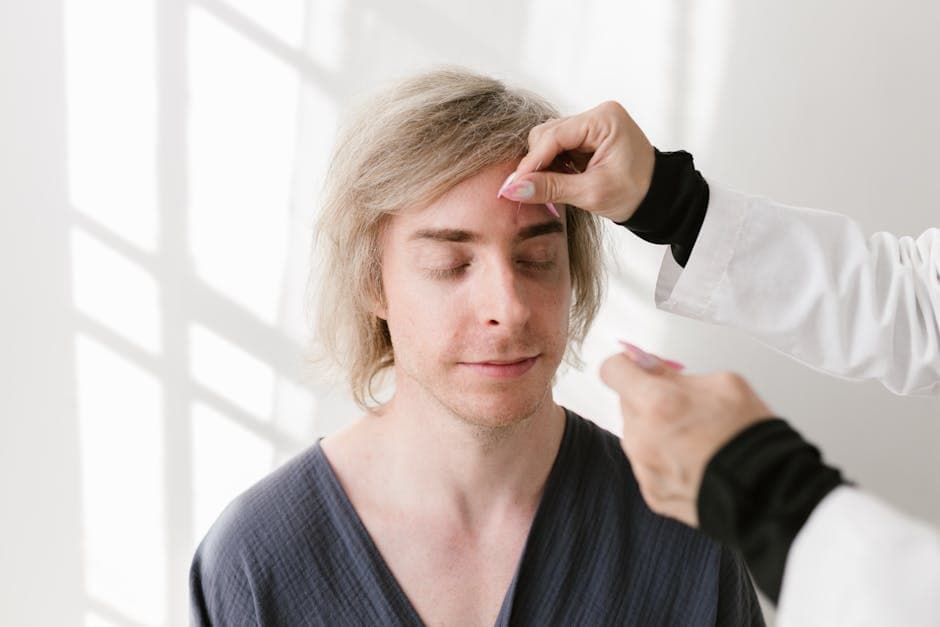
A craniosacral therapy session usually starts with a short conversation about your health and what you hope for. You then lie fully clothed on a padded table while the practitioner rests their hands very lightly on your head, neck, spine and pelvis, holding each spot quietly for a few minutes. There is no cracking or deep pressure, and many people drift off. This guide walks through a session of craniosacral therapy, from booking to aftercare.
Before you book
Craniosacral therapy is offered by people with different backgrounds, including massage therapists, physical therapists and osteopaths, so ask each practitioner about their main professional license and their craniosacral training. You can browse the Gyfts directory or explore related approaches. It is also fair to ask how they describe the evidence and what they expect a session to do for you.
Before your first visit, think about what you want, such as easing tension or having a calm hour. Tell the practitioner about any head or neck injury, concussion, recent surgery, pregnancy, medical devices and areas you prefer not to have touched. If you have a new or severe headache, see a doctor first rather than booking bodywork.
When you arrive
Expect a quiet room with a padded treatment table, often with soft lighting. Wear loose, comfortable clothes, because you stay dressed throughout; there are no oils and no need to undress. You may remove your shoes, glasses, belt or bulky jewelry so you can lie comfortably.
The practitioner will usually go over your health history, current symptoms, medicines and anything that worries you, and may give you a short form. They should explain where they plan to place their hands, how light the touch will be and how you can ask them to stop or change anything at any time. This is the moment to ask questions, mention areas that are sore and say how much talking you want during the session.
During the session
Every practitioner works a little differently, so read what follows as a typical shape rather than a script. Most sessions begin with you lying on your back, with a pillow under your knees if you like. The practitioner often starts at your feet or beneath your head, resting their hands there and waiting quietly. The touch is very light, often compared to the weight of a coin.
From there, they move slowly to other places: beneath the back of your head, at the base of your skull, the sides of your head, along the back of your neck and upper back, at your pelvis or at the sacrum, the flat bone at the base of your spine. Each hold can last several minutes. Some practitioners also use a hold at the base of the skull that they call a still point.
Practitioners say they are feeling for a subtle rhythm and easing restrictions in it. It helps to know that studies have not shown that trained examiners can reliably detect this rhythm, and the movement of skull bones it assumes has not been demonstrated. What you experience directly is slow, quiet, light contact and time to rest.
The room is usually still, sometimes with soft music. You do not need to do anything except breathe and relax; some people talk, but most stay quiet and many fall asleep, which is fine. If any hold feels uncomfortable, or you want less contact, say so. Near the end, the practitioner will usually let you rest for a minute or two, then invite you to sit up slowly when you are ready.
What you might notice
People describe a wide range of experiences, and none is required. Many feel deeply relaxed, heavy or sleepy. Some notice warmth, tingling or a sense of pulsing or movement under the practitioner's hands, while others feel very little during the session and only notice later that they feel calmer. Some people feel emotional and may cry, which is not unusual when lying still and quiet.
Brief dizziness, a mild headache or tiredness can happen and usually passes quickly. Tell the practitioner right away if anything feels wrong. Sensations under the hands are not evidence that a craniosacral rhythm has changed, and relief is not guaranteed. Our guide to craniosacral therapy and its evidence explains what studies do and do not show.
Afterward
Sit up slowly and give yourself a moment before standing, especially if you dozed off. Drink some water if you like and avoid rushing straight into something demanding. The practitioner may ask what you noticed and suggest simple self-care, such as rest or a gentle walk.
Notice how you feel over the next day or two. Some people feel tired or emotionally tender, and a few report vivid dreams. If a headache, dizziness or other symptom is new, severe or getting worse after a session, seek medical care rather than waiting for the next appointment, and let your doctor know you are having craniosacral therapy.
Length, frequency and cost
Many practitioners book sessions of around an hour, including intake time, and a first visit may run longer. Ask how long yours will be when you book. In one trial of craniosacral therapy for neck pain, people received eight weekly sessions, but that is a study design rather than a recommendation.
How often you go is your choice. Some people try a single session, others book a short series and review how it is going. Agree a point to step back and decide whether it is helping before committing to more. Fees vary by region and by practitioner, and insurance coverage depends on who provides the session and your plan, so ask about costs up front.
Questions to ask and when to check with your doctor first
Useful questions include: What is your main license and craniosacral training? Where will you place your hands? How do you describe the evidence? How many sessions before we review?
Check with your doctor first if you have had a recent head injury or concussion, bleeding in or around the brain, an aneurysm or raised pressure in the skull, or if you have a new or severe headache. Babies with colic or feeding problems should see a pediatric clinician first. Craniosacral therapy complements medical care and does not replace it.