What it is
The sweat lodge is a traditional Indigenous purification ceremony using heat, steam, and prayer.
Ancient heat, ceremony, and the renewal of spirit.
At a glance
What it is
The sweat lodge is a traditional Indigenous purification ceremony using heat, steam, and prayer.
Why people explore it
How it’s experienced
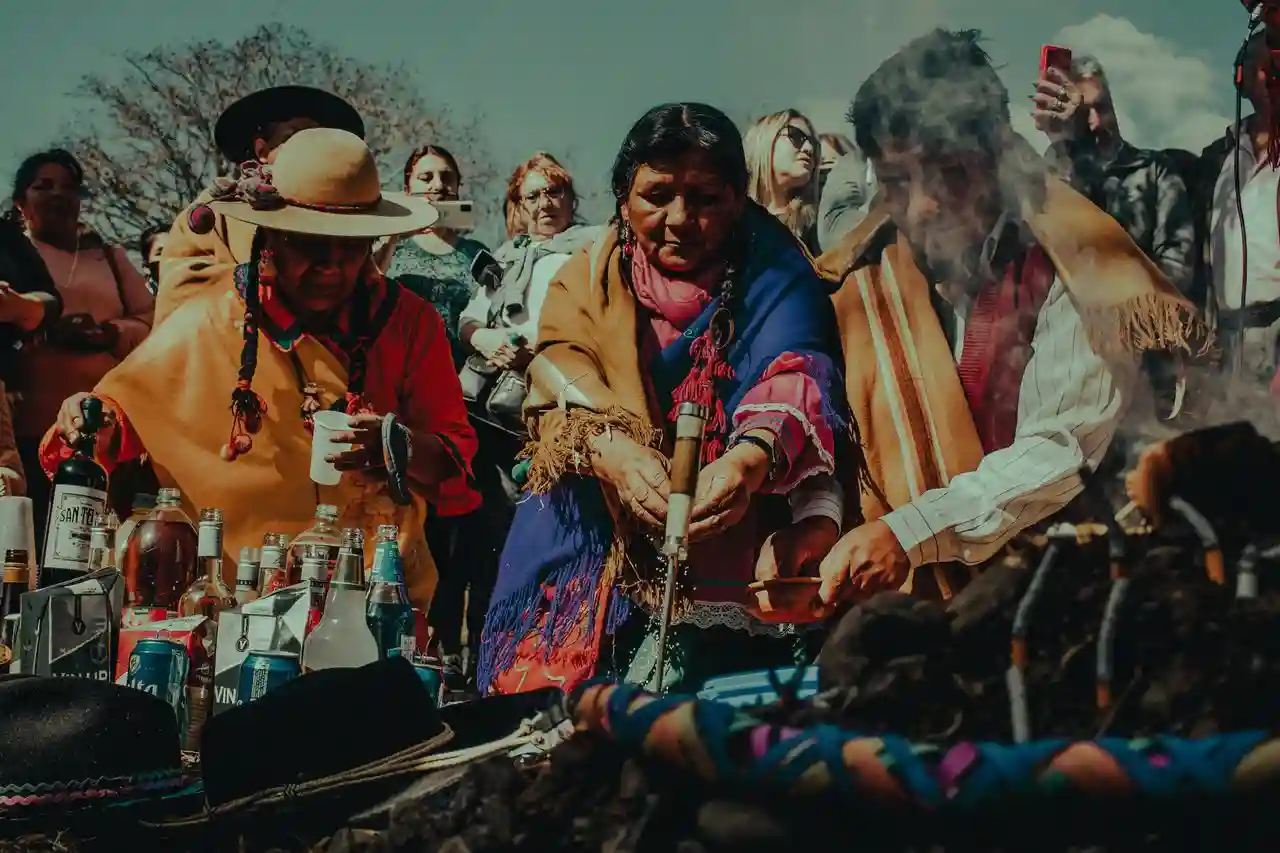
A sweat lodge session typically begins before entering the lodge, with participants gathering around the fire as stones are heated — a process that may take two or more hours.
Evidence context
Traditional useSee the evidence snapshotSafety
Typical risk: Elevated
See staying safeHistory & Origin
The sweat lodge ceremony is a traditional purification ritual practiced by many Indigenous peoples of North America, most commonly associated with Plains, Woodland, and Southwestern nations. Known by various names — including inipi in Lakota tradition — the ceremony involves gathering inside a low, dome-shaped structure built from natural materials, into which heated stones are placed and water is poured to generate intense steam and heat. Participants sit in darkness together, often guided by a ceremony leader, while prayers, songs, and intentions are offered throughout the experience.
From a holistic wellness perspective, the sweat lodge is understood as a ceremonial space for physical, emotional, and spiritual renewal. Practitioners and ceremony leaders traditionally describe it as a return to the womb of the earth — a place of humbling, releasing, and beginning again. The combination of heat, darkness, community, breath, and intentional prayer is said to create conditions for deep introspection and a sense of spiritual cleansing that many participants report finding profound.
It is important to approach the sweat lodge with cultural respect and awareness. This practice holds deep sacred significance for Indigenous communities, and participation outside of its cultural context has been a source of meaningful controversy. Seekers are encouraged to learn about the tradition's origins, to participate only in settings led by appropriately credentialed or community-recognized leaders, and to reflect on the ethics of cultural engagement before attending. The wellness community continues to navigate complex conversations around cultural appropriation versus cultural appreciation in this space.
Sweat lodge practices are among the oldest known ceremonial traditions in North America, with archaeological evidence suggesting their use for thousands of years. Among many Plains nations, the inipi — meaning 'to live again' in Lakota — is considered one of the most sacred of all ceremonies, traditionally connected to purification before vision quests, healing, prayer, and community bonding. Each nation that practices a form of sweat lodge ceremony holds its own unique protocols, songs, prayers, and teachings that govern how the ceremony is conducted and who may lead it.
The sweat lodge is understood within its cultural context not simply as a physical practice but as a living spiritual tradition passed down through oral teaching and ceremony. The stones, the fire, the water, and the earth of the lodge each carry specific symbolic and spiritual meaning. In recent decades, growing interest in Indigenous wellness practices among non-Indigenous communities has brought both broader awareness and significant ethical debate — particularly following high-profile incidents of injury at improperly run events. Cultural organizations and Indigenous scholars have called for mindful engagement, proper learning, and respect for ceremonial boundaries.
Mechanism
The sweat lodge ceremony works through a combination of intense heat, steam, breathwork, darkness, communal intention, and sacred ritual to invite purification on multiple levels.
The evidence
An honest read on how Sweat Lodge Ceremony has been studied — an evidence tier and the research behind it, not a guarantee and not a ranking of “better.”
Rooted in traditional use, with growing research interest
The evidence base for the sweat lodge ceremony is rooted in traditional use spanning thousands of years across numerous Indigenous cultures, rather than in formal clinical research.
See History & origin above for the full account.
Safety first
General guidance to help you decide whether this approach is appropriate for you. This is informational only and not a substitute for medical, psychological, or professional advice.
If you are pregnant, managing a health condition, recovering from injury or surgery, or taking medication, consult a qualified healthcare professional first.
Some situations call for extra care or a different approach. Share any conditions, injuries, or sensitivities with your practitioner before your first session.
Look for clear boundaries, transparent pricing, and practitioners who avoid fear-based claims or pressure to book frequent sessions.
Mild, short-lived effects such as tenderness, tiredness, or temporary soreness can occur. Rest, hydrate, and tell your practitioner how you respond.
For you?
A simple, human way to weigh it up. This is general guidance, not personal medical advice — a qualified practitioner can advise on your situation.
Gyfts is a discovery platform, not a medical provider. Nothing here diagnoses, treats or replaces professional care. In an emergency, contact your local emergency number.
Explore approaches
Other practices people often explore alongside sweat lodge ceremony.
Before you book
FAQ
No — the intense heat and enclosed environment pose real physical risks, particularly for individuals with cardiovascular conditions, respiratory issues, pregnancy, or heat intolerance. It is strongly recommended that you consult a healthcare provider before attending if you have any underlying health conditions. Always feel free to exit the lodge if you feel unwell at any point during the ceremony.
This is a meaningful question that deserves thoughtful consideration. Many Indigenous cultural leaders and scholars encourage non-Indigenous people to reflect on their intentions, learn about the tradition's origins, and participate only when genuinely invited by a recognized and respected ceremony leader from within a specific community. Approaching the experience with humility, reverence, and a willingness to learn is widely considered essential.
The evidence base for the sweat lodge is rooted in traditional use across thousands of years of Indigenous ceremonial practice, not in formal clinical trials. Limited scientific research has been conducted specifically on this practice, and no medical claims can be made. Some broader research on heat therapies may suggest potential wellness associations, but these findings cannot be directly applied to the sweat lodge without dedicated study.
References
Educational sources that inform this overview. Inclusion is for context and does not imply endorsement.
Full citations are maintained by the Gyfts editorial team and reviewed periodically.
Keep exploring
Browse practitioners, explore honest overviews, and take what you learn to a conversation — at your own pace.