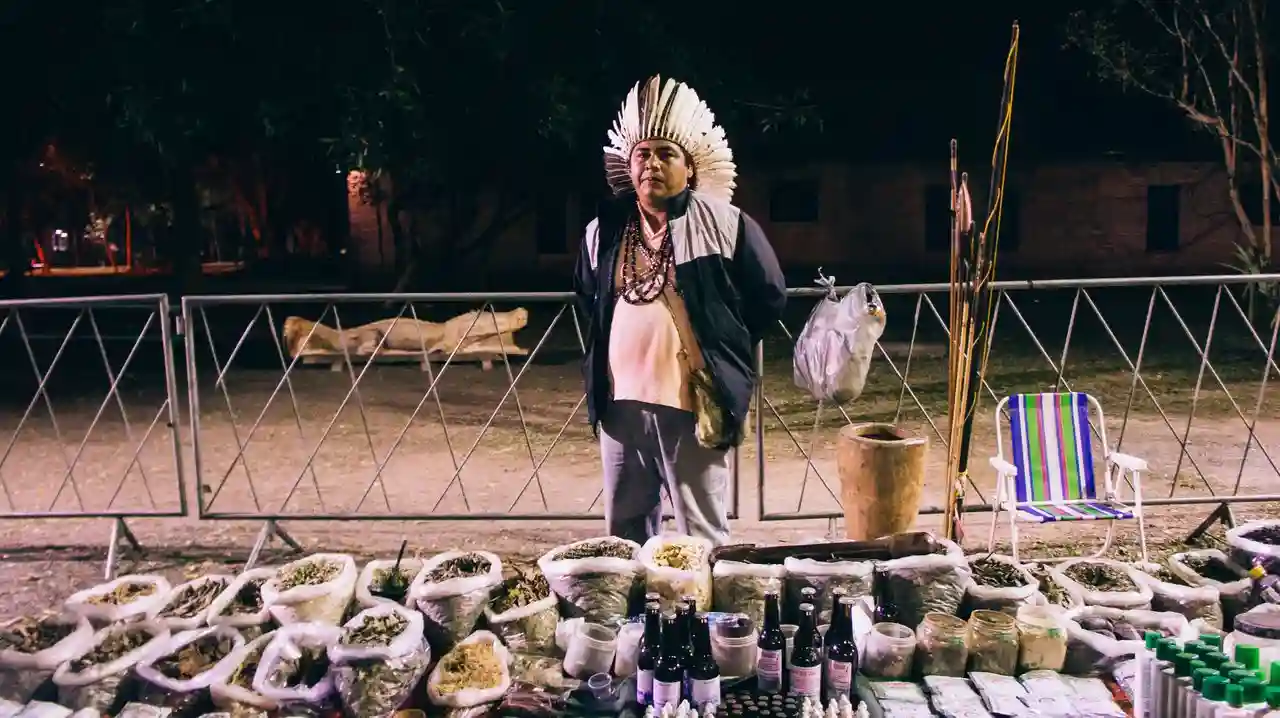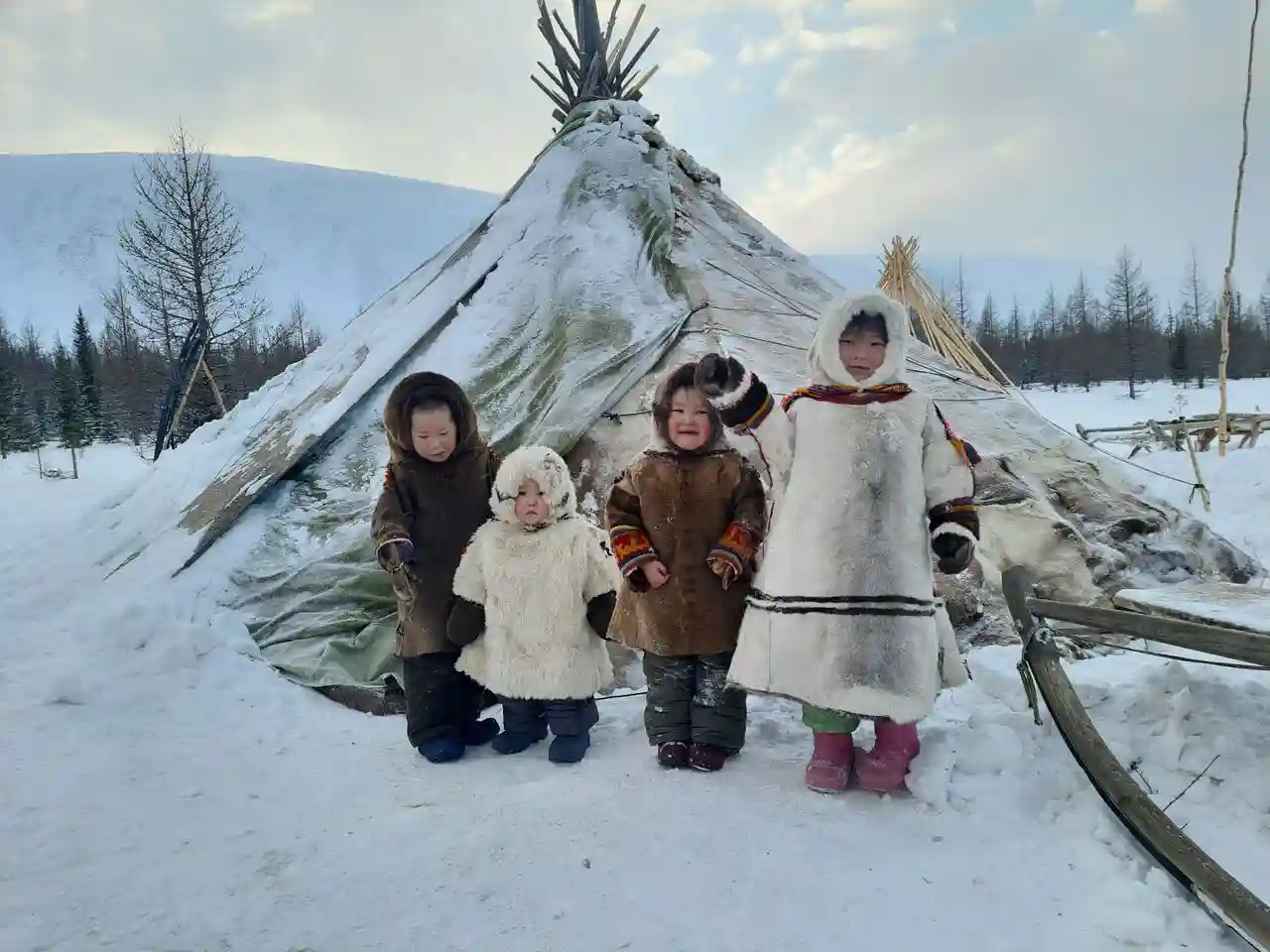
First Nations traditional healing is the healing knowledge, ceremony and medicine of the First Nations peoples of Canada, held and shared by Elders, Knowledge Keepers and healers whom their communities recognize. It is not a single technique but many living traditions that differ from Nation to Nation. This guide explains what First Nations healing involves, its history, what research shows and how to approach it with respect.
What First Nations healing is and how it works
A note on words first. In Canada, First Nations are one of three distinct Indigenous peoples, alongside Inuit and Métis, and include hundreds of Nations with their own languages, laws and ceremonies. This guide uses that Canadian meaning. In Australia, First Nations refers to Aboriginal and Torres Strait Islander peoples, whose traditions are covered on the Aboriginal practices page, and in the United States related traditions appear under Native American healing.
Practices vary widely, so any general description is only a starting point. Many First Nations describe health as balance across the physical, mental, emotional and spiritual parts of a person, and as inseparable from relationships with family, community, ancestors and the land. Healing may include ceremony, prayer, plant medicines, guidance and teachings from Elders, sharing circles and time on the land.
Who may lead ceremony, who may attend and how knowledge is passed on are governed by each community's own protocols. Healers are recognized through their community and teachers, not through certificates, and much of this knowledge is not public. This guide therefore does not describe ceremonies in detail, and nothing here suggests that anyone outside those protocols should perform them.
Where First Nations healing comes from
First Nations healing traditions developed over thousands of years before European contact, each shaped by its own land, plants, seasons and spiritual teachings, and passed down orally through families and teachers.
Colonial law tried to end them. An 1884 amendment to Canada's Indian Act banned the potlatch, and other ceremonies were later restricted until the bans were dropped in 1951. Residential schools separated generations of children from their families, languages and ceremonies. Communities kept practices alive despite this, and many are now revitalizing them. In a 2021 study, eight First Nations in Manitoba called, through 183 interviews, for Elders and healers to be funded and included in community primary care.
What people use First Nations healing for
Within communities, traditional healing is part of everyday life as much as a response to illness. People turn to Elders and ceremony during grief, at life transitions, when reconnecting with culture and identity, and while recovering from trauma, including the intergenerational effects of residential schools. Many Indigenous addiction and mental wellness programs in Canada include culture, Elders and land-based activities alongside clinical care.
Access to culture matters for health services too. A 2023 systematic review of 41 studies on First Nations, Inuit and Métis people living in Canadian cities found that access to culture, traditional healing, Indigenous-led health services and cultural safety helped people use health care, while racism and dismissal by staff were barriers.
These are reasons people seek traditional healing, not promises of any outcome. You can browse the conditions and symptoms hubs to see how different approaches relate to common concerns.
What the research says
Research on First Nations healing is limited and mostly qualitative, and no controlled trials have tested traditional practices for specific health conditions. That gap reflects how research has been designed and led, not a failing of the traditions. A 2016 systematic review of interventions for Indigenous adults with mental or substance use disorders in Australia, Canada, New Zealand and the United States found 16 studies, only one of them culture-based, and judged the evidence inconclusive because it was small and methodologically weak.
A 2021 scoping review of 22 evaluated community-based mental wellness programs, co-led or co-designed by Indigenous communities, found that culture, land-based programming and knowledge sharing were central themes, mostly evaluated with mixed methods. Earlier research published in 2003 found that efforts by Indigenous communities to preserve and promote their culture were associated with markedly lower youth suicide rates. That is an association, not proof of cause.
Some research teams use Two-Eyed Seeing, an approach that weaves Indigenous and Western knowledge together, and a 2016 review of traditional healers noted that standard rating scales may miss changes that matter to people.
Safety and who should check first
Traditional healing should never replace medical care for serious or urgent conditions. Some plant medicines may interact with prescription drugs or be unsuitable in pregnancy, so tell both your doctor and the healer what you take. Ceremony and circle work can bring up strong emotions, especially for trauma survivors, so plan support afterward.
Heat is a real risk in sweat lodge ceremonies. A 2005 forensic report described a man who died of dehydration and heat exposure after a sweat lodge in Australia held outside its cultural setting, and advised that people with significant heart disease, those taking certain medicines and anyone who has drunk heavily should not enter. Imitations sold without community accountability carry cultural and physical risks. In Canada, the Hope for Wellness Help Line (1-855-242-3310) offers Indigenous people support anytime.
Fitting it alongside everyday and conventional care
Many First Nations health services, and some hospitals, now offer Elders' support or traditional healing alongside clinical care, and the Manitoba study above describes communities asking for exactly this kind of shared system. The aim is not to choose one or the other but to have both available and respected.
If you use both, tell your care team about traditional medicines and ceremonies you plan to take part in, and ask whether your clinic or hospital has an Indigenous health or navigation service that can help coordinate care.
Finding traditional healing respectfully
Gyfts does not list practitioners or take bookings under this heading, because traditional healing is held by communities. First Nations people can ask their community health center, band office or an Indigenous health service about Elders and healers. Others can learn through Indigenous-led cultural organizations. Read more on the First Nations modality page or explore related approaches.