A First Nations healing session is usually a meeting with an Elder, Knowledge Keeper or healer, often arranged through a community health center or Indigenous health service rather than booked like a typical appointment. It tends to be unhurried, begins with protocol and conversation, and follows the customs of that Elder's Nation. This article explains what to expect, in general terms, from First Nations healing.
Before you reach out
For First Nations people, the usual route is through your own community: your community health center, band office, a local Indigenous health service, or the Indigenous health program at a hospital or addiction treatment center. Staff there can explain which Elders or healers are available and how to ask for their help. Gyfts does not list practitioners or take bookings for First Nations healing.
Ask about protocol before you go. In many First Nations it is customary to offer tobacco or a small gift when asking an Elder for help, but customs differ, so ask the program what is appropriate. If you are not Indigenous, ask whether the program is open to you. Mention any health conditions, medicines or pregnancy, and anything that might make a ceremony difficult.
When you arrive
Settings vary. You might meet in a room at a health center, in an Elder's home, outdoors or in a space set aside for ceremony. The pace is often slower than a clinical appointment, and there may be time for tea, introductions and talk about where you and your family come from before anything else happens.
In many communities a meeting begins with smudging, the burning of plants such as sage or sweetgrass, with the smoke drawn over the body as a way of preparing. Not every Nation does this. If you are unsure, you can watch first or ask what to do, and if smoke bothers your breathing you can let someone know. Offer your gift or tobacco if that is the protocol you were given.
During the session
What happens next is decided by the Elder or healer, following their own teachings, so no two meetings are alike. This guide stays general on purpose, because many ceremonies are not meant to be described publicly and should only be led by people their communities recognize. Common elements include:
- •Conversation. The Elder listens to what has brought you, often asking about family, community and how you are doing in body, mind and spirit.
- •Teachings and stories. Guidance is often shared through stories and teachings rather than direct instructions.
- •Prayer. The Elder may pray, sometimes in their own language.
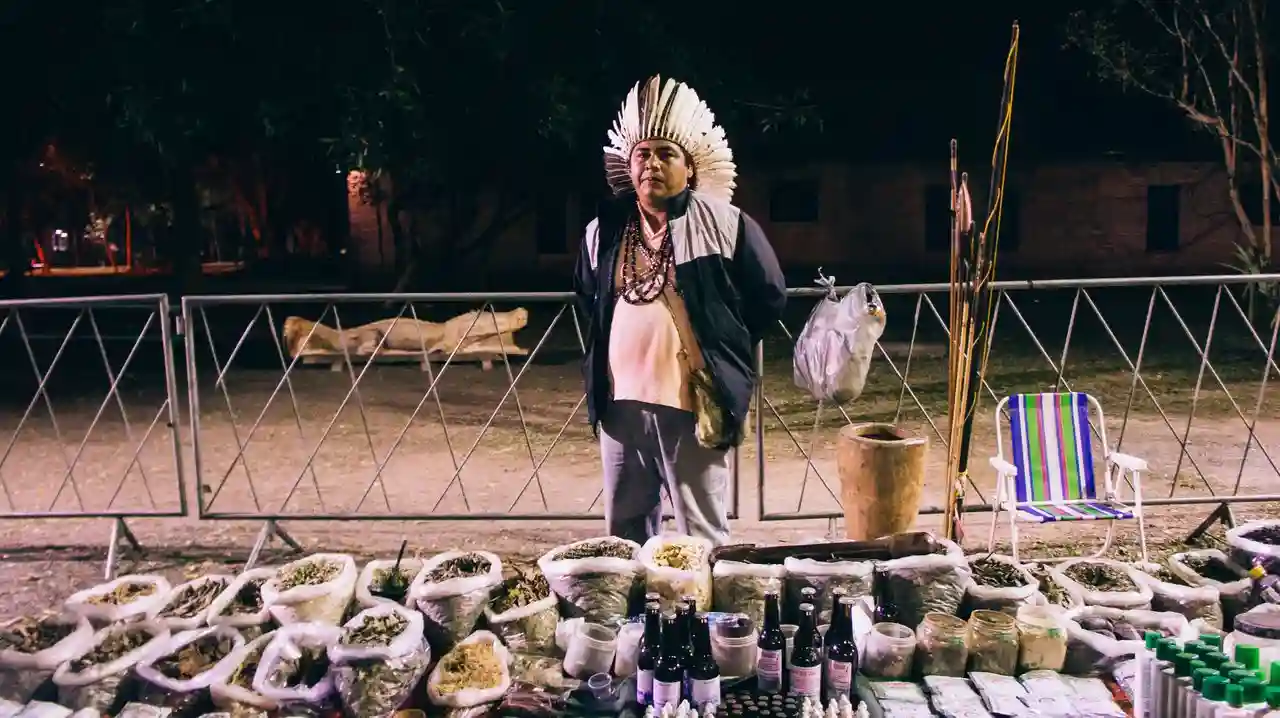
- •Plant medicines. Some healers offer medicines such as teas, with guidance on how to use them.
- •Circles. In group programs, people may sit in a sharing circle, where each person speaks in turn while the others listen.
In some programs, especially those for addiction or mental wellness, healing also happens through time on the land, such as harvesting or camping, and through invitations to community ceremonies at a later date. You may be invited to a sweat lodge or another ceremony. Take your time to decide, ask what it involves, and know that you can decline. Do not photograph or record anything without permission. If something is unclear, it is fine to ask the Elder or program staff, either during the meeting or afterward, what a part of it meant and how you can take part respectfully.
What you might notice
People describe a wide range of experiences. Many feel listened to, calmer or more connected to their culture, family or sense of who they are. For some, the meeting brings a feeling of belonging that has been missing for a long time.
Strong emotions are common too. Reconnecting with culture can bring up grief, anger or memories, especially for people affected by residential schools or other family separations. That is not a sign that anything has gone wrong, but it helps to have support afterward. Some people feel little at first, and meaning often grows over time. Research on these practices is limited and mostly qualitative, so no particular health outcome should be expected.
Afterward
You may leave with teachings to reflect on, a medicine and how to use it, or an invitation to return or to join a ceremony or program. Follow any instructions about plant medicines carefully, and tell your doctor or pharmacist about them.
Many people pair time with Elders with counseling or other support through the same health service. Keep all your usual medical care, and give yourself quiet time if the meeting felt emotional. If difficult feelings stay with you, reach out to the program, your counselor or a support line.
Length, frequency and cost
There is no standard length. A first meeting may be short or may last a good part of a day, and Elders do not usually work to a clock. Healing is often understood as a relationship that unfolds over time, so some people see an Elder once and others stay connected for years.
Arrangements for cost vary between communities and programs, so ask the program up front whether there is any charge and what offering, if any, is customary. Be cautious of anyone selling ceremonies or healing outside community accountability, a practice many Indigenous leaders have condemned.
Questions to ask and when to check with your doctor first
Good questions for the program include: What protocol should I follow? Is this open to non-Indigenous people? Will plant medicines be offered? Can I bring a support person? Can I step out at any point?
Check with your doctor first if you have heart disease, are pregnant, take regular medicines or are invited to a sweat lodge. In Canada, the Hope for Wellness Help Line (1-855-242-3310) offers Indigenous people support anytime. Learn more on the First Nations modality page.