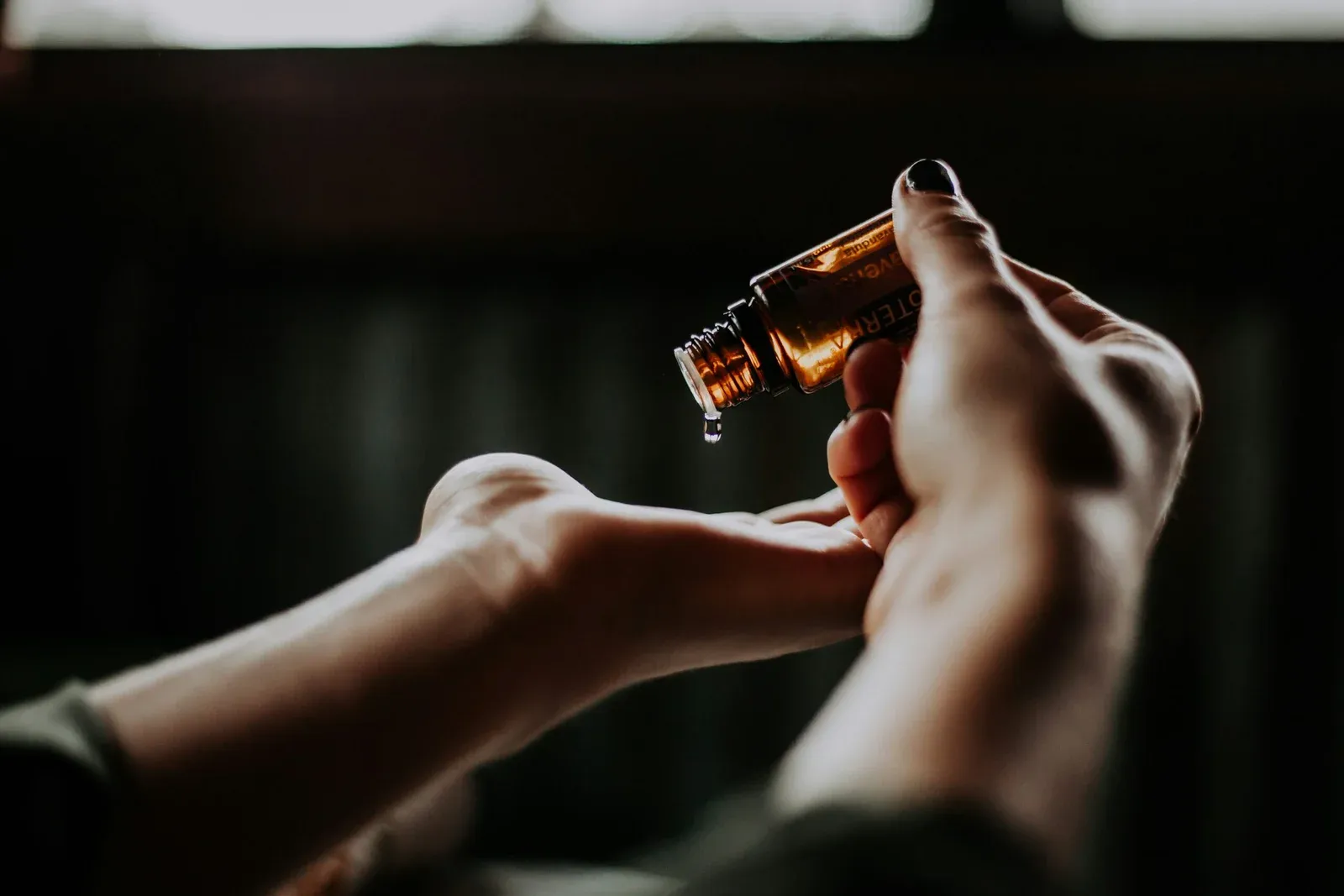
An aromatherapy session usually starts with a short conversation about your health and what you hope for. You then smell a few essential oils, choose ones you like, and the practitioner prepares a diluted blend. Depending on the session, you breathe in the scent, receive gentle application to areas such as your hands, shoulders or feet, or both, and finish with quiet rest and advice for home. This guide walks through a typical aromatherapy appointment.
Before you book
Aromatherapy is offered by independent aromatherapists, in spas and wellness centers, and in some hospitals and care settings as a comfort measure. Training standards vary widely, so ask each practitioner about their training, how they choose and dilute oils, and how they handle skin reactions. You can browse the Gyfts practitioner directory or explore related approaches.
Decide what kind of session you want. Some focus on inhalation and relaxation with little or no touch; others include aromatherapy massage, which is a fuller hands-on treatment covered in our guide to a first aromatherapy massage. When you book, mention allergies, asthma, sensitive skin, pregnancy and medicines so the practitioner can plan safely.
When you arrive
Expect a calm, quiet room with a comfortable chair or a padded table. The practitioner will usually ask about your health history, including allergies, asthma, skin sensitivities, migraines, pregnancy and any medicines, and about what you would like from the session, such as unwinding after a stressful week or a calmer bedtime routine. Some use a short written form.
This is a good time to say how you feel about scent and touch. If strong smells tend to give you a headache, or you would rather not be touched, say so; a good practitioner will adjust. They should explain what they plan to do, how much of your skin will be involved, if any, and how you can ask them to stop or change anything at any point.
During the session
Every practitioner works a little differently, so think of this as a typical shape rather than a script. Most sessions begin with smelling. The practitioner offers several oils or ready-made blends on a scent strip or straight from the bottle, held at a comfortable distance, and asks how each one feels to you. Your reaction matters: a scent you dislike is unlikely to help you relax, however it is described.
Next, the practitioner measures your chosen oils into a carrier oil for skin use, or adds them to a diffuser so the room fills gently with scent. Undiluted essential oil should not go on your skin. If your skin is sensitive, some practitioners first test a small amount of the diluted blend on a small area, such as the inner arm, and wait to see how it reacts.
You are then invited to sit or lie comfortably and breathe slowly, sometimes guided through a few deep breaths while the scent is near you. If the session includes skin application, the practitioner uses light, slow strokes on agreed areas such as your hands, forearms, shoulders, neck or feet. You usually stay clothed apart from the areas being worked on, and towels or a blanket keep you warm.
The room is usually quiet, perhaps with soft music. You do not need to do anything except rest. The practitioner may check in about pressure, warmth and the strength of the scent, and you can ask for a window to be opened or a diffuser turned down at any time. Toward the end you rest quietly for several minutes before sitting up slowly.
What you might notice
Many people feel relaxed, heavy or a little sleepy, and some notice slower breathing or a sense of warmth where oil was applied. A scent can sometimes bring back a memory or a strong feeling, which is a normal response to smell. Others notice little during the session but feel calmer afterward. None of these experiences is required or guaranteed.
Speak up right away if you notice itching, burning, redness, a headache, nausea, wheezing or a tight chest. These can be signs that an oil or the strength of the scent does not suit you, and the practitioner should stop, air the room and remove the oil from your skin. Research suggests aromatherapy may ease anxiety for a short time, but the evidence is mixed and mostly low in quality.
Afterward
Sit up slowly and take a moment before standing, especially if you were lying down. Some practitioners suggest drinking water and resting for the remainder of the day. If oil was applied, ask whether any of the blend you are taking home might react with sunlight, since some citrus oils can make skin more sensitive to the sun.
You may be offered a small bottle of blend or a personal inhaler for home use. Ask how to use it, how often and how to store it safely, out of reach of children and pets. Never swallow it. Notice how you feel over the next day or two and mention anything that stands out at your next visit, including any delayed skin reaction.
Length, frequency and cost
Session length varies with what is included. An inhalation-focused session may be fairly short, while one that includes massage takes longer and needs time for undressing and rest. In hospitals and care homes, staff may offer brief sessions at the bedside. Ask how long your appointment will be when you book.
How often people go depends on what they want. Some book a single session to see how it feels, others return during a stressful period, and many continue with oils at home after learning how to use them safely. Cost varies by region, setting and practitioner, and spa prices can differ from those of independent practitioners, so ask about fees up front.
Questions to ask and when to check with your doctor first
Useful questions include: What training do you have? How strong is the dilution? Will you touch me, and where? What should I do if my skin reacts? Is my home blend safe around children, pets and sun? For the evidence behind the practice, see what aromatherapy is and what research shows.
Check with your doctor or midwife first if you are pregnant, have asthma or another lung condition, epilepsy, a skin condition or a serious illness, or if you are in active medical treatment. Aromatherapy complements medical care and does not replace it.